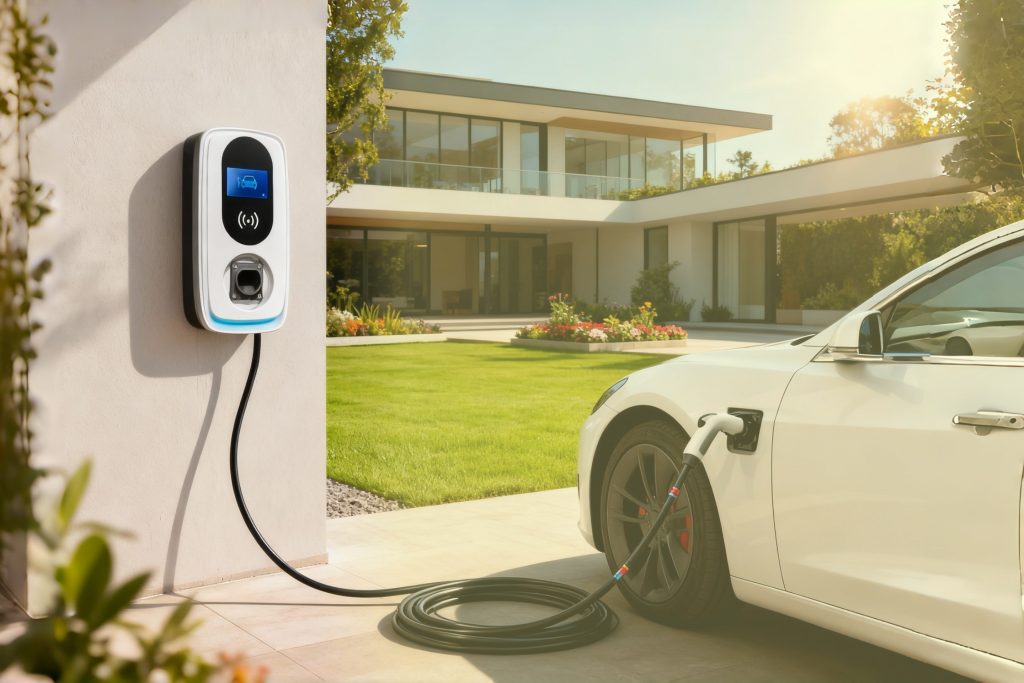
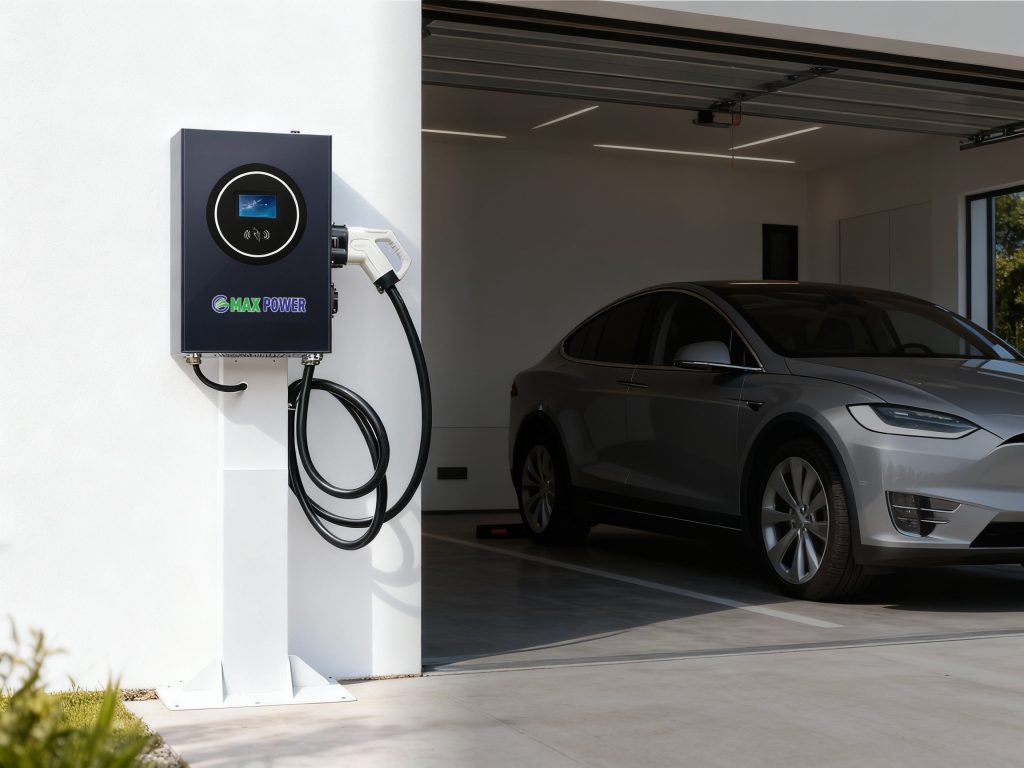
The rapid global adoption of electric vehicles (EVs) is driving unprecedented demand for advanced charging infrastructure. While AC charging remains prevalent for overnight charging, the need for faster, more efficient direct current (DC) charging solutions is escalating, both for public and private sectors. This transformation highlights the critical role of innovative hardware and software in supporting a sustainable e-mobility future. Understanding the nuances between a home dc ev charger and a commercial dc fast charger is essential for stakeholders looking to invest in reliable and future-proof charging technologies. The market is witnessing significant advancements in compact, high-efficiency units suitable for a dc home charger, offering convenience without compromising on charging speed, alongside robust systems for public use.
Industry trends indicate a strong move towards higher power outputs, bidirectional charging capabilities (V2G/V2H), and enhanced connectivity protocols like OCPP 2.0.1. This shift is particularly impactful for the development of a sophisticated dc charger for electric car, aiming to reduce charging times significantly. Furthermore, considerations such as grid integration, energy storage compatibility, and cybersecurity are paramount for both a private home dc charger and large-scale public installations. The integration of smart charging features allows for optimized energy consumption, contributing to grid stability and cost savings for end-users and operators alike. Manufacturers are increasingly focusing on modular designs that simplify maintenance and allow for future power upgrades, ensuring longevity and adaptability in a fast-evolving market.
Introducing the DC Charging Station SC Series: Unrivaled Performance and Design
The DC Charging Station SC Series redefines what is possible in EV charging technology, blending cutting-edge innovation with industrial-grade reliability. This series is engineered to cater to a broad spectrum of applications, from advanced residential setups requiring an ev dc charger for home to high-demand commercial environments. Its patented airflow isolation technology is a cornerstone feature, preventing dust and moisture ingress while maintaining optimal operating temperatures, significantly extending the product’s lifespan and reducing maintenance overheads. This robust design ensures consistent performance even in challenging environmental conditions, making it a dependable choice for critical infrastructure.
Combining an ultra-slim profile, ranging from 545×380×170mm for lower power models to 721×475×232mm for higher capacities, the SC Series integrates seamlessly into diverse architectural and urban landscapes. This compact footprint is particularly advantageous for a home dc car charger installation where space might be limited, or for urban public charging hubs where aesthetics and minimal obstruction are valued. Furthermore, the series boasts an impressive 95% efficiency and a power factor greater than 99% across its 7-40KW models. These superior electrical performance metrics translate directly into lower energy losses, reduced operating costs, and minimized environmental impact, demonstrating a strong commitment to sustainable and economically viable charging solutions.

Technical Parameters and Market Comparison for DC EV Chargers
When evaluating a home dc ev charger or a commercial solution, a detailed look at technical parameters and market offerings is crucial. Key specifications like power output (kW), efficiency, power factor, charging protocols (CCS, CHAdeMO, GB/T), and communication standards (OCPP) directly influence charging speed, operational costs, and compatibility. Below, we present a comparative overview of typical DC EV charger parameters in the market to highlight the competitive edge of advanced solutions.
General Market DC EV Charger Parameters Comparison
| Parameter | Entry-Level Home DC Charger | Mid-Range Commercial DC Charger | Premium Commercial DC Fast Charger |
|---|---|---|---|
| Power Output | 7-20 kW | 50-150 kW | 150-350+ kW |
| Efficiency | 90-93% | 93-96% | 95-97% |
| Power Factor | >0.95 | >0.98 | >0.99 |
| Cooling Method | Air-cooled | Air-cooled / Liquid-cooled | Liquid-cooled |
| Connectivity | Ethernet, Wi-Fi | Ethernet, 4G, Wi-Fi, OCPP | Ethernet, 4G/5G, Wi-Fi, OCPP 2.0.1 |
The SC Series, positioned strategically, offers the efficiency and power factor typical of premium commercial units but in form factors suitable for a sophisticated home dc charger. Its modular design allows for scalable solutions, making it a versatile choice.
DC Charging Station SC Series: Key Technical Indicators
DC Charging Station SC Series: Technical Specifications
| Parameter | SC Series Specification | Industry Benchmark (Typical) |
|---|---|---|
| Power Output Range | 7 kW - 40 kW | 7 kW - 200 kW |
| Efficiency | ≥ 95% | 92-96% |
| Power Factor | > 0.99 (Full Load) | > 0.98 |
| Dimensions (WxDxH) | 545×380×170mm (min) to 721×475×232mm (max) | Varies widely; generally larger for similar power |
| Cooling Technology | Patented Airflow Isolation | Standard Air Cooling / Liquid Cooling |
| Operating Temperature | -30°C to +55°C | -20°C to +50°C (typical) |
| Protection Rating | IP55 / IP54 (depending on model) | IP54 (typical) |
The data above illustrates the superior performance of the SC Series, particularly its high efficiency and power factor, which are often found only in much larger and more expensive commercial dc fast charger units. Its compact size paired with industrial resilience sets a new benchmark for accessible, high-performance DC charging.
Manufacturing Excellence and Quality Assurance
The production of a reliable dc charger for electric car involves a multi-stage process underpinned by rigorous quality control. Our manufacturing philosophy for the SC Series emphasizes precision engineering, premium material selection, and adherence to international standards. The process begins with the meticulous sourcing of industrial-grade components, including advanced power modules, robust control boards, and resilient enclosure materials. Each component undergoes individual quality checks to ensure compliance with specifications and durability requirements.
Key manufacturing stages include automated PCB assembly, ensuring precise placement and soldering of electronic components. This is followed by robust enclosure fabrication, often utilizing CNC machining for high-precision cuts and welds for metal components, and high-pressure injection molding for internal structural elements. The patented airflow isolation technology is integrated during assembly, a critical step to guarantee its long-term effectiveness in preventing environmental contamination. Before final assembly, comprehensive functional testing of power conversion units, communication modules, and safety interlocks is performed. This meticulous approach ensures that every ev dc charger for home or commercial unit meets the highest standards.

Inspection standards adhere strictly to ISO 9001 quality management systems. Each unit undergoes extensive electrical safety tests (e.g., IEC 61851), electromagnetic compatibility (EMC) testing, and environmental stress screening (ESS) including temperature and humidity cycling to simulate extreme operating conditions. This rigorous testing regimen guarantees a long service life, typically exceeding 10 years for core components, and ensures consistent performance in diverse environments. The industrial-grade resilience of the SC Series, certified by CE and UL standards, makes it suitable for demanding applications in residential, fleet, and light commercial settings where an efficient home dc car charger or a reliable small-scale commercial unit is required.
Application Scenarios and Technical Advantages
The versatility of the DC Charging Station SC Series positions it as an ideal solution across multiple application scenarios, from private garages to public charging hubs. For residential users, the compact and efficient home dc ev charger provides rapid charging capabilities far superior to typical AC chargers, enabling faster turnarounds for daily commutes or impromptu trips. Its intelligent energy management features allow for scheduled charging during off-peak hours, optimizing electricity costs and minimizing impact on household grids.
In commercial settings, such as small businesses, hotels, or apartment complexes, the SC Series operates as a robust commercial dc fast charger, attracting EV owners with convenient, quick charging options. Its high efficiency (95%) and exceptional power factor (>99%) significantly reduce energy waste and minimize reactive power penalties, leading to substantial operational savings for facility managers. The industrial-grade construction, enhanced by airflow isolation, ensures reliability and longevity, making it a cost-effective long-term investment. This translates to reduced maintenance costs and consistent uptime, which are crucial for revenue generation in commercial charging operations.

Furthermore, the SC Series supports advanced functionalities like remote monitoring and firmware updates via OCPP, enabling seamless integration with existing charging networks and future-proofing investments. The ability to handle a wide operating temperature range (-30°C to +55°C) and robust IP55/IP54 protection rating ensures its reliability in diverse climatic conditions, from scorching summers to freezing winters. These features make it an unparalleled choice for any entity seeking a high-performance, durable dc home charger or a versatile commercial solution, underscoring its broad applicability and technical superiority.
Customized Solutions and Case Studies
Recognizing that every installation is unique, we offer tailored customization options for the DC Charging Station SC Series. Whether it’s specific branding requirements, integration with proprietary energy management systems, or specialized connector configurations for an ev dc charger for home, our engineering team works closely with clients to deliver bespoke solutions. This flexibility ensures that the charging infrastructure aligns perfectly with operational needs and long-term strategic objectives. From initial site assessment to commissioning and ongoing support, our holistic approach guarantees a seamless deployment experience.
Case Study: Residential Fleet Integration. A premium residential community sought to provide rapid charging for residents’ EVs. We deployed multiple 20KW SC Series home dc car charger units, integrated with the community’s smart energy grid. The compact design minimized visual impact, while the high efficiency significantly reduced the operational burden on the electrical infrastructure. Resident feedback highlighted the intuitive user interface and the dramatic reduction in charging times compared to their previous AC chargers, affirming the practical benefits of a dedicated DC home charging solution.
Case Study: Small Business Fast Charging. A boutique hotel aimed to attract EV-driving guests. A 40KW SC Series commercial dc fast charger was installed in their parking area. The charger’s robust build quality and patented airflow isolation proved ideal for the outdoor, semi-public environment. The hotel reported a noticeable increase in guest satisfaction and a new revenue stream from charging services, with the unit’s high efficiency contributing to lower operational costs. Its reliable performance, even during peak usage, underscored its value as a dependable asset.
Trustworthiness & Customer Support
Building trust is paramount in the B2B sector. Our commitment to quality extends beyond product specifications to comprehensive customer support and transparent business practices. We adhere to stringent international quality certifications such as ISO 9001 and environmental management standards like ISO 14001, ensuring that every home dc ev charger or commercial unit delivered meets global benchmarks for quality and sustainability. Our products are also CE and UL certified, affirming compliance with European and North American safety and performance regulations.
We offer robust warranty programs, typically ranging from 2 to 5 years depending on the model and service package, covering manufacturing defects and ensuring peace of mind for our clients. Our delivery cycles are optimized for efficiency, with standard lead times ranging from 4-8 weeks for most configurations, and expedited options available for urgent projects. Post-sales support includes 24/7 technical assistance, remote diagnostics, and a global network of certified service partners to address any operational needs or maintenance requirements, underscoring our dedication to long-term client success with every dc charger for electric car.
Frequently Asked Questions (FAQ)
Q1: What is the primary advantage of a DC home charger over an AC charger?
A1: A dc home charger converts AC grid power to DC internally, delivering direct current to the EV’s battery. This bypasses the slower onboard AC-DC converter of the vehicle, enabling significantly faster charging times at home, comparable to public DC fast chargers in terms of speed, though typically at lower power outputs.
Q2: What is "airflow isolation technology" and how does it benefit the SC Series?
A2: Airflow isolation technology is a patented cooling system that physically separates the sensitive electronic components from the external environment. This prevents dust, moisture, and corrosive particles from entering the critical internal modules, greatly enhancing durability, extending service life, and reducing maintenance needs, especially for a commercial dc fast charger.
Q3: What communication protocols does the SC Series support?
A3: The SC Series supports Open Charge Point Protocol (OCPP), specifically OCPP 1.6J and is upgradeable to OCPP 2.0.1. This ensures interoperability with various charging network management systems, allowing for remote monitoring, control, and billing functionalities, crucial for effective deployment of any home dc ev charger or commercial unit.
Q4: What are the typical installation requirements for a 40KW ev dc charger for home or small commercial setting?
A4: A 40KW ev dc charger for home typically requires a dedicated 3-phase electrical supply (e.g., 400V AC), appropriate circuit breakers, and professional installation by a certified electrician. Adequate ventilation (though minimized by airflow isolation) and a stable mounting surface are also essential. Specific requirements may vary based on local electrical codes (e.g., NEC in North America, IEC in Europe).
Q5: How does the SC Series ensure high power factor?
A5: The SC Series integrates advanced power factor correction (PFC) circuitry. This active PFC minimizes reactive power, ensuring that the charger draws current from the grid in phase with the voltage, leading to a power factor >0.99. This reduces harmonic distortion, improves grid efficiency, and avoids potential utility penalties for poor power quality, a significant advantage for any dc charger for electric car.
Q6: What is the estimated service life of the DC Charging Station SC Series?
A6: Thanks to its industrial-grade components, robust design, and patented airflow isolation technology, the SC Series is engineered for a long service life, typically exceeding 10 years under normal operating conditions. Key power modules are designed for high Mean Time Between Failures (MTBF) rates, ensuring maximum uptime for your home dc car charger.
Q7: Can the SC Series be integrated with renewable energy sources?
A7: Yes, the SC Series can be seamlessly integrated with renewable energy sources such as solar arrays or wind turbines, often via an energy storage system (ESS). Its smart charging capabilities, coupled with OCPP connectivity, facilitate intelligent energy management, prioritizing renewable power for charging and optimizing grid interaction. This makes it an ideal component for sustainable microgrids and eco-conscious installations, whether for a home dc charger or a commercial fleet solution.
References
- 1.International Electrotechnical Commission (IEC) Standards for Electric Vehicle Conductive Charging Systems (IEC 61851 series).
- 2.Organization for the Advancement of Structured Information Standards (OASIS) Open Charge Point Protocol (OCPP) 1.6J and 2.0.1 Specifications.
- 3.International Organization for Standardization (ISO) 9001:2015 Quality Management Systems.
- 4.U.S. Department of Energy, Electric Vehicle Charging Infrastructure Deployment Guidelines.
- 5.European Committee for Electrotechnical Standardization (CENELEC) EN 61851 Electric vehicle conductive charging system.