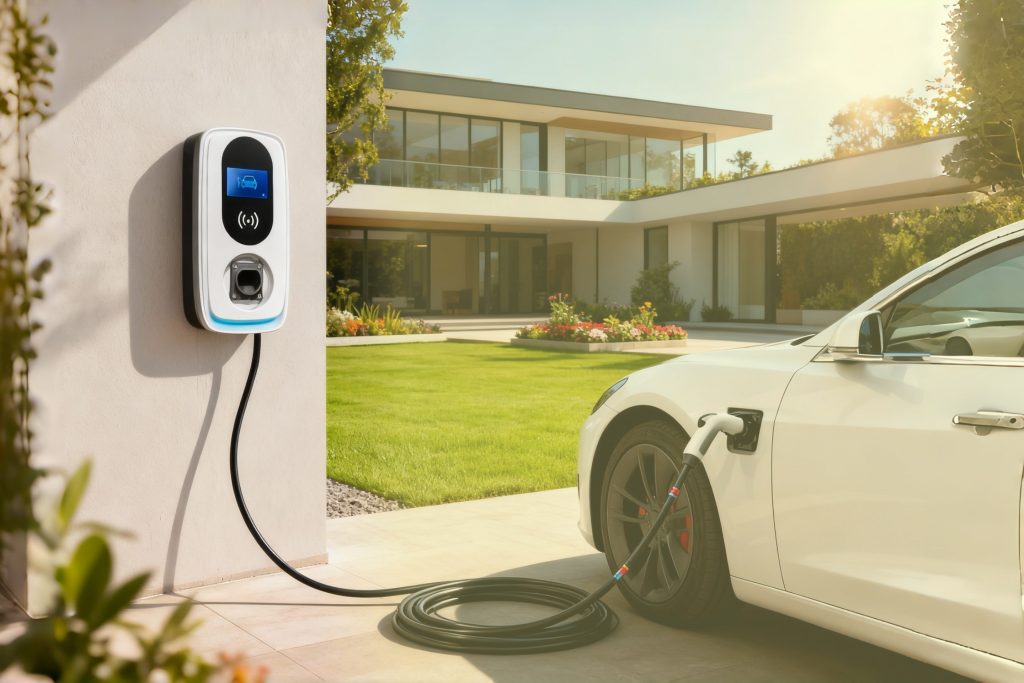
The global shift towards electric vehicles (EVs) is accelerating, driving an unprecedented demand for robust and efficient charging infrastructure. At the forefront of this evolution are sophisticated type 2 ac ev charger solutions, which are becoming the standard for residential, commercial, and public charging networks across Europe and beyond. These AC charging stations are pivotal for daily EV usage, offering convenience and reliability for both overnight charging and destination charging. Understanding the nuances of an advanced ac ev charger is crucial for stakeholders looking to invest in sustainable mobility solutions. This comprehensive guide delves into the technological landscape, applications, and strategic advantages of modern AC recharge stations, highlighting why they are indispensable for a greener future.
The strategic deployment of a high-performance ac charging station not only supports the growing EV fleet but also contributes significantly to grid stability through intelligent load management. As the market matures, the differentiation between an ordinary ac charger for ev and an advanced, feature-rich unit becomes critical. We will explore the key industry trends, technical specifications, and real-world applications that define leading-edge AC charging solutions, providing valuable insights for businesses and infrastructure developers.
Industry Trends and Market Dynamics in AC Charging
The AC EV charging market is experiencing rapid innovation, driven by increasing EV adoption rates and evolving regulatory landscapes. Key trends include the proliferation of smart charging features, integration with renewable energy sources, and the demand for higher power outputs at the AC level. The adoption of the Type 2 connector as a European standard underscores the importance of a versatile type 2 ac ev charger in future-proofing charging infrastructure investments. Data indicates a compound annual growth rate (CAGR) of over 20% for the global EV charging market, with AC solutions forming the backbone of this expansion due to their cost-effectiveness and ease of integration.
Technological advancements are focusing on dynamic load balancing (DLB), vehicle-to-grid (V2G) capabilities, and enhanced user interfaces, making an ac charging station more than just a power outlet. Furthermore, increasing emphasis on cybersecurity and interoperability protocols like OCPP (Open Charge Point Protocol) ensures seamless communication and secure transactions across diverse networks. These trends collectively shape the design and functionality of every new ac ev charger, pushing manufacturers to innovate constantly to meet the complex demands of a connected EV ecosystem. The shift towards user-centric designs and robust backend management systems is transforming how we interact with every ac recharge station.

Introducing the AC Dual Gun Charging Station ACP Series
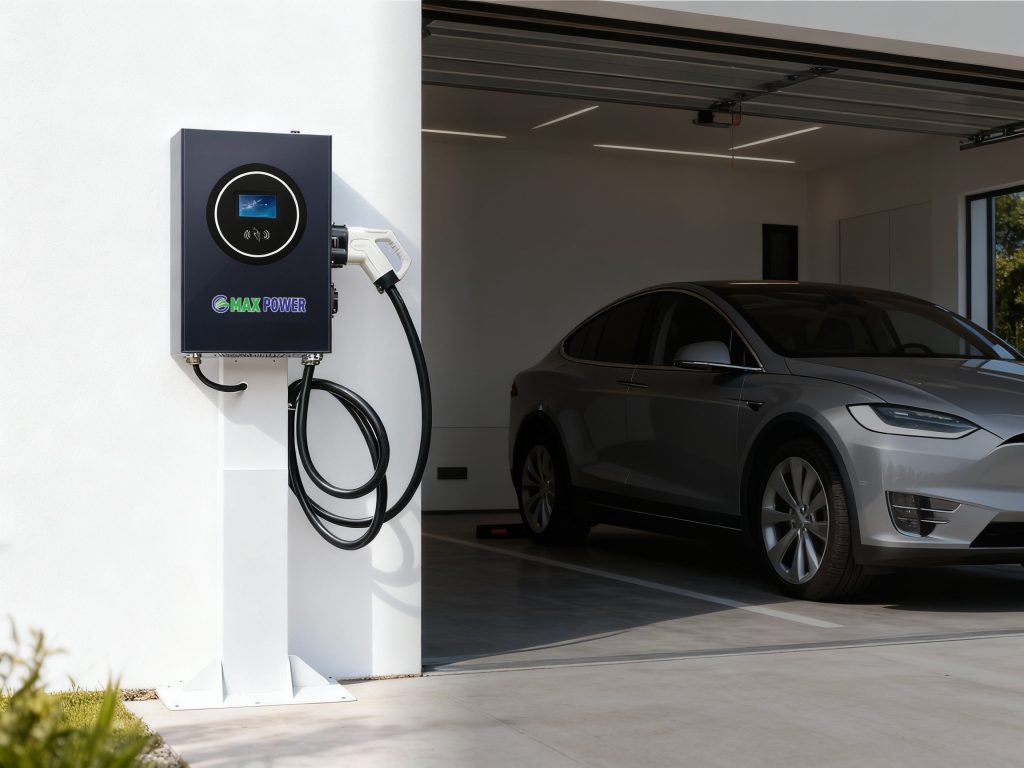
The ACP Series AC Dual Gun Charging Station is engineered to redefine EV charging convenience and efficiency, particularly in residential and commercial settings where space and power distribution are critical. With its remarkably compact design, measuring just 380×1360×320mm, this advanced ac ev charger seamlessly integrates into various environments without compromising performance. It supports both single and dual-gun modes, providing unparalleled flexibility for charging one or two vehicles simultaneously. This innovative design positions the ACP Series as a superior ac charger for ev, capable of meeting diverse user requirements.
A core strength of the ACP Series lies in its Dynamic Load Balancing (DLB) technology. This intelligent feature enables the station to dynamically distribute power ranging from 7KW to 44KW between connected vehicles. DLB prevents grid overload and optimizes charging efficiency by allocating available power based on vehicle charging needs and grid capacity. This makes the ACP Series an exceptionally smart ac charging station, ensuring stable operation and maximizing the utility of existing electrical infrastructure. Its robust construction and intelligent features make it an ideal choice for any modern ac recharge station deployment.
Technical Parameters and Performance Highlights of ACP Series
The ACP Series distinguishes itself through a suite of robust technical specifications designed for reliability and high performance. As a top-tier type 2 ac ev charger, it delivers consistent and efficient power, making it a preferred choice for demanding applications. Key specifications include an input voltage range optimized for global grids, high energy conversion efficiency, and comprehensive protection mechanisms against overcurrent, overvoltage, short circuit, and ground faults. The integrated Type 2 connector ensures broad compatibility with a vast majority of EVs on the market, affirming its position as a versatile ac ev charger solution.
For discerning B2B clients and infrastructure managers, understanding these technical parameters is vital for assessing long-term operational costs and return on investment. The ACP series boasts an operational temperature range from -30°C to +55°C, an IP55 ingress protection rating, and an IK10 impact protection rating, ensuring durability in harsh outdoor environments. Its adherence to international charging standards such as IEC 61851 and ISO 15118 (for advanced communication) further underscores its reliability and global applicability as an ac charging station.
ACP Series Key Technical Indicators
Comparison of AC Charger Performance Metrics (llustrative Data for Acp Series)
| Parameter | Specification (ACP Series) | Benefit |
|---|---|---|
| Max Output Power | 7KW - 44 KW (Dynamic) | Flexible, efficient charging for various EV models. |
| Dimensions (L×W×H) | 378×320×1362mm | Compact design for easy integration in confined spaces. |
| Charging Ports | Dual Type 2 (AC) | Simultaneous charging, enhanced user capacity. |
| Power Distribution | Dynamic Load Balancing (DLB) | Prevents grid overload, optimizes energy usage. |
| Ingress Protection | IP55 | High resistance to dust and water jets, suitable for outdoor. |
| Impact Protection | IK10 | Superior resistance against vandalism and physical impact. |
| Operating Temperature | -30°C to +55°C | Reliable operation in diverse climatic conditions. |
Advanced Manufacturing and Quality Assurance for AC EV Chargers
The production of a durable and high-performing type 2 ac ev charger necessitates a meticulous manufacturing process, leveraging advanced engineering and stringent quality control. Our commitment to excellence begins with material selection, prioritizing robust alloys and high-grade polymers that ensure longevity and resistance to environmental factors. Components undergo precise manufacturing techniques such as CNC machining for intricate parts, ensuring dimensional accuracy, and advanced surface treatments for corrosion resistance, a critical factor for any outdoor ac charging station.
Every stage, from raw material inspection to final assembly, is governed by ISO 9001 certified quality management systems. Electrical components are sourced from reputable suppliers and subjected to rigorous testing to meet ANSI standards for safety and performance. Our manufacturing protocols include burn-in tests, insulation resistance tests, and electromagnetic compatibility (EMC) testing to guarantee flawless operation. This rigorous approach ensures that each ac ev charger delivered has an extended service life, typically exceeding 10 years, even under continuous heavy use. This dedication to quality is what distinguishes a reliable ac recharge station.

While an ac charger for ev is not directly used in industries like petrochemical or metallurgy, the underlying manufacturing philosophies of precision, durability, and resistance to harsh conditions are derived from similar industrial-grade engineering principles. For example, using corrosion-resistant materials and robust electrical enclosures, common in industrial applications, directly translates to a longer lifespan and lower maintenance for our EV chargers, even in coastal or high-humidity environments. This meticulous process ensures superior product quality.
Application Scenarios and Strategic Advantages
The versatility of the ACP Series type 2 ac ev charger makes it ideal for a multitude of application scenarios. In residential complexes, its dual-gun and DLB capabilities allow multiple residents to share a single charging point efficiently without requiring costly electrical upgrades. For commercial parking facilities, such as shopping malls, corporate campuses, and hotels, providing reliable ac charging station options significantly enhances customer experience and can serve as a revenue stream. The compact size of the ACP Series also makes it suitable for urban parking areas where space is at a premium.
Beyond traditional uses, an advanced ac ev charger can be integrated into fleet depots for businesses transitioning to electric vehicles, offering controlled and cost-effective overnight charging. The technical advantages, including energy efficiency (minimizing power loss during conversion) and advanced communication protocols (OCPP 1.6J/2.0.1 for network integration), deliver significant operational savings and enable smart grid interactions. The ability to manage power dynamically makes the ACP Series an exceptionally resilient ac recharge station, crucial for scaling EV infrastructure without overburdening existing grid capacity. The robust design and advanced features ensure that the ac charger for ev meets the evolving demands of various sectors.
Comparative Analysis: ACP Series vs. Market Offerings
When evaluating an ac charging station, it is crucial to compare key performance indicators against industry benchmarks and competitor offerings. While many AC chargers exist, the ACP Series stands out due to its unique combination of power flexibility, compact design, and advanced intelligence. Typical market offerings for a type 2 ac ev charger often compromise on power distribution capabilities or footprint, limiting their applicability in diverse environments. Our ACP Series provides a superior balance, especially with its dynamic load balancing feature, which is not universally offered by all competitors.
Below is an illustrative comparison of critical parameters, demonstrating how a well-engineered ac ev charger like the ACP Series differentiates itself. This data highlights the tangible benefits of investing in a high-quality ac charger for ev solution, emphasizing factors like space efficiency, power management, and durability that directly impact long-term operational costs and user satisfaction. This ensures that every ac recharge station installation provides maximum value.
Market Comparison Table for Type 2 AC EV Chargers
| Feature/Parameter | ACP Series (Dual Gun) | Competitor A (Single Gun) | Competitor B (Dual Gun, Basic) |
|---|---|---|---|
| Max Output Power | 44 KW (DLB) | 22 KW (Fixed) | 22 KW (Split) |
| Charging Guns | 2 | 1 | 2 |
| Dynamic Load Balancing (DLB) | Yes | No | No |
| Dimensions (mm) | 380×1360×320 | 250×1200×200 | 450×1500×350 |
| Ingress Protection | IP55 | IP54 | IP54 |
| Smart Features (OCPP) | Yes (1.6J/2.0.1) | Basic (1.6J) | Limited (1.6S) |
Customization Options and Tailored Solutions
Recognizing that every deployment scenario for an ac charging station is unique, we offer extensive customization options for our ACP Series. From branding and enclosure color to specific payment integration modules (RFID, mobile app, credit card readers), our team works closely with clients to deliver a tailored type 2 ac ev charger that perfectly aligns with their operational requirements and aesthetic preferences. This bespoke approach ensures that whether it’s for a private corporate campus or a public charging hub, the solution is optimized for seamless user interaction and brand consistency.
Further customization extends to networking capabilities, allowing integration with existing energy management systems or smart home ecosystems. For instance, an ac ev charger can be configured with specific communication protocols or back-end software for detailed energy monitoring and billing. Our engineering expertise allows for modifications in power output configurations, cable lengths, and mounting options (pedestal, wall-mount) to fit exact site conditions, guaranteeing that your ac recharge station operates at peak efficiency. This commitment to flexible solutions is a cornerstone of our service, ensuring every ac charger for ev meets client expectations.
Real-World Application Cases and Success Stories
Our ACP Series ac charging station has been successfully deployed across various high-profile projects, demonstrating its reliability and performance. In a multi-unit residential development in Berlin, 50 units of the ACP Series were installed, providing residents with efficient and secure overnight charging. The integrated DLB system proved instrumental in managing the collective energy demand, avoiding costly infrastructure upgrades. User feedback consistently highlighted the ease of use and the effectiveness of the dual-gun capability. This showcases the practical benefits of a robust type 2 ac ev charger.
Another notable case involved a logistics company in the Netherlands that transitioned its delivery fleet to electric vehicles. The deployment of 20 ACP Series stations at their central depot facilitated reliable and timely recharging for their entire fleet. The remote monitoring and management features of the ac ev charger allowed the fleet managers to optimize charging schedules and track energy consumption, leading to significant operational savings. These successful implementations underscore our ability to deliver impactful and reliable ac recharge station solutions that drive sustainable progress.

Frequently Asked Questions (FAQ) about AC EV Chargers
Q1: What is Dynamic Load Balancing (DLB) and why is it important for an AC charging station?
A: Dynamic Load Balancing (DLB) is a technology that intelligently distributes available electrical power among multiple charging points or between a charging station and other household/building loads. For an ac charging station, DLB prevents circuit overload by dynamically adjusting the charging speed of connected EVs based on the real-time power consumption of the site. This is crucial for managing electricity costs, avoiding infrastructure upgrades, and ensuring safe, stable operation, especially for an ac dual gun charging station.
Q2: What are the key differences between a Type 2 AC EV charger and a DC fast charger?
A: A type 2 ac ev charger (Level 2) provides alternating current (AC) to the vehicle, which then uses its onboard converter to convert AC to direct current (DC) for the battery. DC fast chargers, conversely, bypass the onboard converter and supply DC power directly to the battery, allowing for much faster charging speeds. AC chargers are ideal for overnight or destination charging (e.g., home, workplace, shopping centers), while DC chargers are for rapid en-route charging. The ACP Series is an AC charger.
Q3: What communication protocols does your AC EV charger support?
A: Our ac ev charger, including the ACP Series, supports the Open Charge Point Protocol (OCPP) versions 1.6J and 2.0.1. OCPP is an open-source communication standard that allows EV charging stations to communicate with central management systems (CSMS), enabling features like remote control, user authentication, billing, and real-time status updates. This ensures seamless integration into existing and future charging networks.
Q4: What certifications does the ACP Series AC recharge station hold?
A: The ACP Series ac recharge station is designed and manufactured to meet rigorous international standards. It holds certifications such as CE (Conformité Européenne) for European markets, TUV Rheinland for product safety, and adheres to relevant sections of IEC 61851 (EV conductive charging system) and ISO 15118 (Vehicle to Grid communication interface). Our manufacturing facility is also ISO 9001 certified, ensuring consistent quality.
Q5: What is the typical lifespan and maintenance requirements for an AC charger for EV?
A: Thanks to robust material selection and advanced manufacturing processes, our ac charger for ev units are engineered for a long service life, typically 10-15 years under normal operating conditions. Maintenance primarily involves periodic visual inspections for physical damage, ensuring cable integrity, and routine software updates. The IP55 and IK10 ratings reduce the need for extensive physical maintenance.
Q6: Can the ACP Series AC Dual Gun Charging Station be integrated with renewable energy sources?
A: Yes, the ACP Series AC Dual Gun Charging Station is designed for seamless integration with renewable energy systems, such as solar PV installations. Its smart charging capabilities, coupled with OCPP compliance, allow for optimized energy consumption, prioritizing green energy when available. This enhances sustainability and can reduce operational costs for your ac charging station.
Q7: What customization options are available for the ACP Series?
A: We offer extensive customization for our type 2 ac ev charger units. This includes branding (logo, color schemes), specific payment system integrations (RFID, app-based), custom cable lengths, mounting solutions (pedestal, wall), and advanced software configurations to meet unique operational and aesthetic requirements. Our goal is to provide a truly tailored ac ev charger solution.
Commitment to Quality, Delivery, and Customer Support
Our dedication extends beyond manufacturing a superior type 2 ac ev charger. We are committed to ensuring a seamless client experience from inquiry to post-installation support. Our efficient supply chain and optimized production schedules allow for competitive delivery cycles, typically ranging from 4 to 8 weeks depending on customization and order volume for your ac charging station. Each unit undergoes a final comprehensive inspection before dispatch to guarantee it meets our rigorous quality benchmarks.
We stand behind the quality of every ac ev charger with a standard 2-year warranty, extendable upon request, covering manufacturing defects and component failures. Our expert technical support team is available to assist with installation queries, operational guidance, and troubleshooting, ensuring maximum uptime for your ac recharge station. This comprehensive approach underscores our trustworthiness and commitment to long-term partnerships, providing peace of mind for every ac charger for ev investment.
References
- International Electrotechnical Commission (IEC). IEC 61851 - Electric vehicle conductive charging system.
- International Organization for Standardization (ISO). ISO 15118 - Road vehicles - Vehicle to grid communication interface.
- Open Charge Alliance. Open Charge Point Protocol (OCPP) Specifications.
- S&P Global Mobility. Global EV Market Outlook & Trends.
- European Union (EU) Directive 2014/94/EU on the deployment of alternative fuels infrastructure.