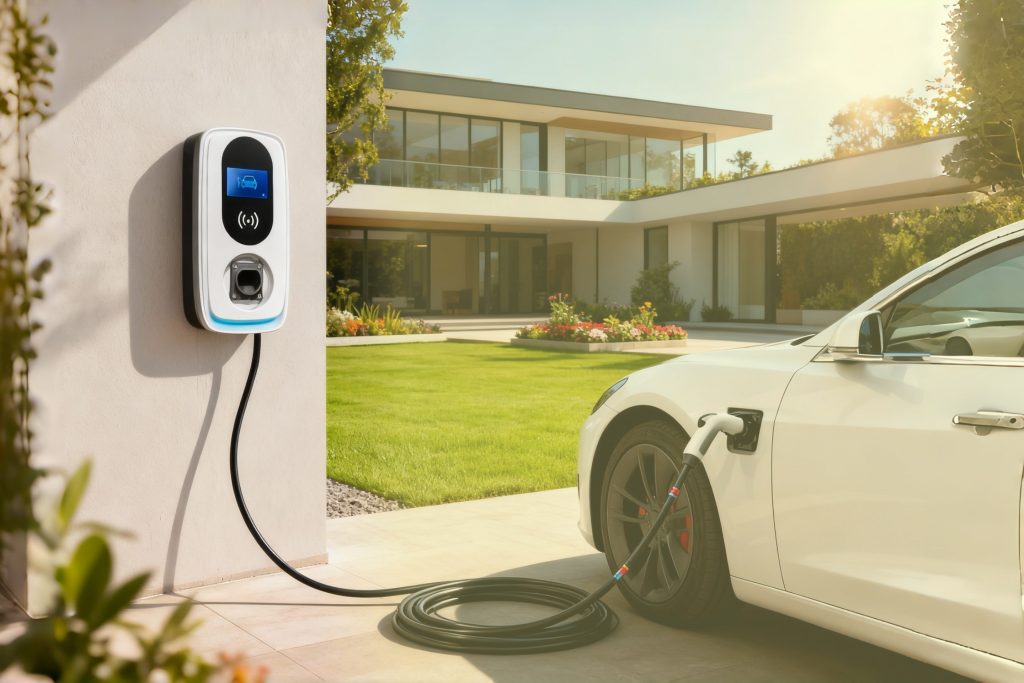
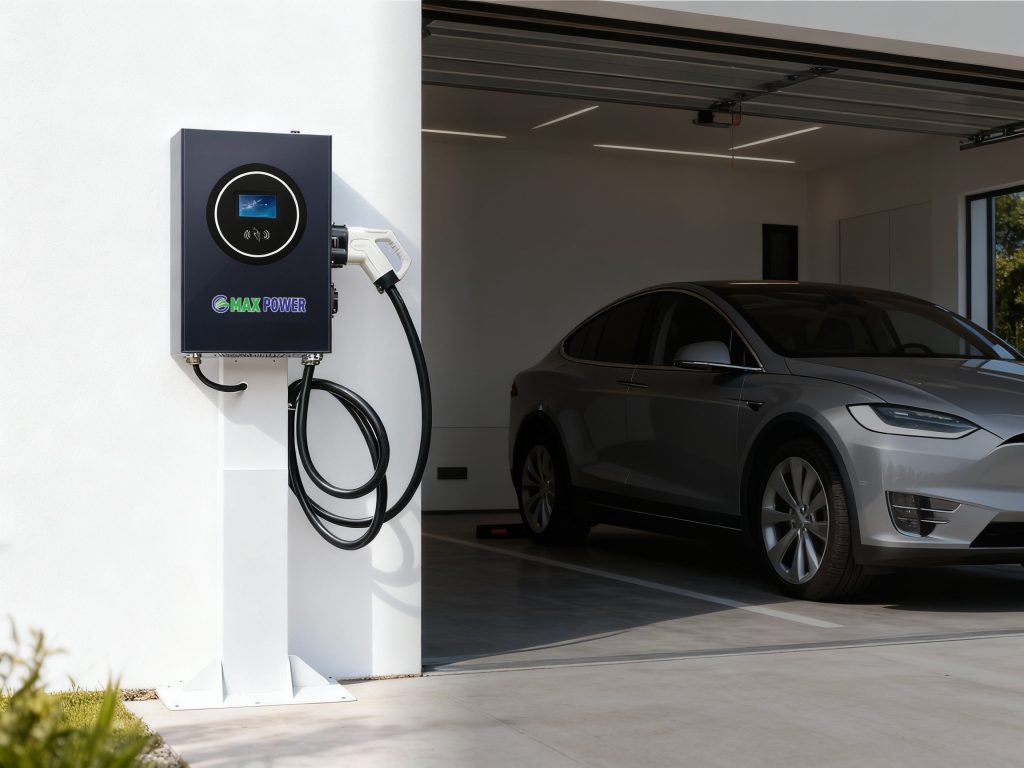
Solar-powered EV charging stations—by integrating renewable energy with electric vehicle charging technology—are revolutionizing how businesses and communities power electric vehicles, ranging from passenger cars to heavy-duty fleets. These systems combine photovoltaic panels with EV charging infrastructure, thereby reducing grid dependency, lowering operational costs, and supporting global sustainability objectives. For wholesalers serving commercial clients, fleet operators, or rural communities, collaborating with a manufacturer that provides reliable, solar-compatible charging solutions is critical. Guangzhou Max Power New Energy Technology Co., Ltd., a leading EV charger manufacturer established in 2017 with a 4,000㎡ production facility and specialized expertise in power conversion, supports this transition through its SC Series—EV charging station components engineered for seamless integration with solar energy systems. Featuring patented airflow isolation technology, 95% energy efficiency, and ultra-slim designs (ranging from 545×380×170 mm to 721×475×232 mm), Max Power’s equipment ensures that solar-powered EV charging installations are durable, efficient, and scalable, positioning the company as a trusted bulk supplier for wholesale partners.

Core Advantages of Solar-Powered Electric Vehicle Charging Stations—Hydrogen Integration
- Cost Savings and Grid Independence for Electric Vehicle Charging Stations: Solar-powered EV charging solutions, such as those offered by Max Power, enable the reduction or elimination of electricity costs by utilizing free solar energy—a significant advantage for businesses with high charging demands. For instance, a commercial EV charging station equipped with Max Power’s 22 kW SC Series chargers and 10 kW solar panels can meet 70–80% of its annual energy requirements through solar power, resulting in annual utility cost savings of $5,000 to $8,000. Additionally, these systems enhance energy resilience by enabling grid independence. When integrated with battery storage, solar-powered EV charging stations can remain operational during power outages, ensuring continuous operation and maintaining charge for critical fleet vehicles, such as delivery trucks and emergency service units.
- Sustainability and Brand Value for EV Charging Stations: Solar-powered electric vehicle (EV) charging stations serve as a strategic sustainability initiative, enabling organizations to reduce their carbon emissions while strengthening brand reputation. According to a 2024 consumer survey, 65% of EV drivers exhibit a preference for businesses offering solar-powered charging solutions, as these align with their environmental values. Max Power’s EV charging station components—featuring a power factor exceeding 99% and operational efficiency of up to 95%—optimize the utilization of solar energy by minimizing energy loss and enhancing overall environmental performance. For example, hotels that integrate solar-powered EV charging stations can promote them as “green amenities,” thereby attracting environmentally conscious travelers and achieving competitive differentiation in the market.

Solar Compatibility of Max Power’s EV Charging Stations
- The SC Series Integration with Solar Inverters for Electric Vehicle Charging Stations: Max Power’s SC Series EV charging stations are specifically engineered to integrate seamlessly with solar inverters and battery storage systems—essential components in solar-powered energy setups. Featuring a wide input voltage range compatible with standard solar inverter outputs, along with advanced smart load management, these stations prioritize the use of solar energy over grid power. For instance, during periods of high solar generation (e.g., midday), the charging station utilizes 100% solar energy to charge electric vehicles. When solar output decreases (e.g., due to cloudy conditions), the system automatically supplements with grid power to maintain consistent charging performance. This integration is achieved without requiring any custom modifications, enabling wholesalers to supply SC Series chargers alongside standard solar components, thereby streamlining bulk procurement processes for clients.
- Scalability for Fleet and Truck Charging Stations: Solar-powered charging infrastructure for heavy-duty electric vehicles, such as delivery trucks and buses, necessitates scalable and future-proof solutions. Max Power’s SC Series offers a power range of 7–40 kW, enabling flexible deployment tailored to fleet size and operational demands. A fleet charging station may initially be equipped with two 40 kW solar-compatible charging units—sufficient for two vehicles—and can be expanded incrementally to accommodate ten or more chargers as the fleet scales, with additional solar panels deployed in parallel. The modular architecture of the SC Series ensures seamless integration of new units into existing solar energy systems, eliminating the need for costly system overhauls. For instance, a logistics company utilizing this solution can simultaneously charge five electric delivery trucks, drawing up to 60% of the required energy from solar sources and achieving an 80% reduction in fuel costs compared to diesel-powered fleets. This scalable approach is particularly advantageous for wholesale providers, as it enables them to support clients’ long-term electrification strategies through phased, cost-effective upgrades.
Solar-Powered EV Charging Stations Application Comparison
| Application | Key Solar System Requirement | Ideal Max Power SC Series Model | Environmental Benefit | Wholesaler Value |
|---|---|---|---|---|
| Retail Electric Vehicle Charging Station | 5–10kW solar; battery backup for outages | 2×22KW (wall-mounted) | Reduces 5–8 tons CO₂/year | Appeals to customer-facing businesses |
| Fleet Truck Charging Station | 20–50kW solar; high-power chargers | 5×40KW (floor-standing) | Eliminates 20–30 tons CO₂/year | Caters to logistics/fleet clients |
| Rural EV Charging Stations | 10–15kW solar; off-grid capability | 3×11KW (hybrid grid-solar) | Provides access to charging in remote areas | Fits rural communities/roadside stops |
Technical Considerations for Solar-Powered EV Charging Stations
- Battery Storage Integration for Electric Vehicle Charging Stations: Solar-powered electric vehicle charging stations typically require battery storage systems to balance intermittent energy supply from solar sources with variable demand due to fluctuating charging patterns. Max Power’s electric vehicle charging station components are compatible with standard lithium-ion batteries, enabling the storage of surplus solar energy for use during nighttime or periods of low solar irradiance. For instance, a solar-powered EV charging station equipped with a 20 kWh battery system can fully charge three electric vehicles overnight using stored solar energy, thereby avoiding reliance on grid power during peak rate periods. The SC Series’ intelligent control system prioritizes battery discharge when solar generation is insufficient, ensuring consistent and reliable charging performance.
- Weather Resistance for Outdoor EV Charging Stations: Solar-powered electric vehicle charging stations are frequently deployed in outdoor environments. To address these demanding conditions, Max Power’s SC Series offers industrial-grade durability. The charging units are equipped with IP54-rated enclosures, providing protection against dust, rain, and humidity, and are designed to operate reliably in ambient temperatures ranging from -25°C to +50°C—comparable to the environmental resilience of solar panels. For instance, installations in coastal regions demonstrate resistance to saltwater corrosion, while those in arid, high-temperature desert climates maintain consistent performance without thermal degradation. This robust weather resistance contributes to a 50% reduction in maintenance costs compared to consumer-grade charging solutions, ensuring long-term operational reliability and uninterrupted service throughout the year.

EV Charging Stations FAQS
Q1: Can Existing Electric Vehicle Charging Stations Be Upgraded to Solar-Powered Systems?
A1: Yes—most existing electric vehicle charging stations, including non-Max Power models, can be upgraded to solar-powered systems through the integration of solar panels, inverters, and battery storage. Max Power’s SC Series chargers are designed to be backward-compatible with standard solar components, making them a preferred solution for retrofitting applications. For instance, a commercial facility equipped with two 11 kW grid-dependent chargers can install an 8 kW solar photovoltaic array and a 15 kWh battery energy storage system, thereby converting the setup into a solar-assisted EV charging station capable of delivering approximately 60% renewable energy. Wholesalers can provide integrated upgrade kits—combining solar components with SC Series chargers—to customers seeking to reduce their carbon emissions without replacing their current charging infrastructure.
Q2: What Solar Capacity Is Required for a Truck Charging Station?
A2: A solar-powered charging station designed for heavy-duty electric vehicles (EVs) equipped with 100–200 kWh batteries typically requires a solar capacity ranging from 20 to 50 kW. For instance, a 40 kW photovoltaic system integrated with two 40 kW SC Series chargers can support the daily charging of two electric trucks, with approximately 70% of the energy supplied directly from solar power. Max Power’s technical team assists wholesale partners in determining optimal solar capacity based on specific operational parameters, including fleet size, charging frequency, and local solar irradiance levels—ensuring reliable performance while avoiding unnecessary capital expenditure.
Q3: Do Solar-Powered Electric Vehicle Charging Stations Remain Effective in Low-Sunlight Regions?
A3: Yes—solar-powered EV charging stations can operate effectively in low-sunlight regions, such as Northern Europe or areas with frequent rainfall, by integrating smaller solar installations with supplementary grid power. Max Power’s SC Series chargers are designed to automatically switch between solar and grid sources, ensuring consistent charging performance even under overcast conditions. For instance, a solar-powered electric vehicle charging station in Seattle—where annual sunlight averages approximately 1,500 hours—can still meet 30% to 40% of its energy demand through solar generation, thereby reducing dependence on the grid and lowering operational costs.
Q4: What Is the Payback Period for Solar-Powered EV Charging Stations?
A4: Payback periods for solar-powered electric vehicle charging stations typically range from three to five years, depending on factors such as local sunlight availability, electricity rates, and applicable incentives. For a commercial EV charging station equipped with a 10 kW solar array and two 22 kW SC Series chargers, reduced electricity costs combined with tax credits—such as the U.S. Investment Tax Credit—can shorten the payback period to approximately three years. Max Power supports wholesalers by providing financial calculators that can be shared with clients to clearly demonstrate long-term cost savings and return on investment, which are critical factors in securing bulk procurement agreements.
Q5: Are Solar-Powered Electric Vehicle Charging Stations Compatible with All Electric Vehicle Models?
A5: Yes—Max Power’s solar-compatible electric vehicle charging station is compatible with all major EV models, including passenger cars, trucks, and buses, through the use of universal connectors (CCS, CHAdeMO, Type 2). With a power output range of 7–40 kW, the system automatically adjusts to each vehicle’s maximum charging capacity, ensuring efficient and safe charging across all vehicle types. This broad compatibility enables wholesalers to provide solar-integrated charging solutions to a diverse range of clients—from retail businesses to commercial fleet operators—without the need for specialized inventory.
Please leave to us and we will be in touch within 24hours.