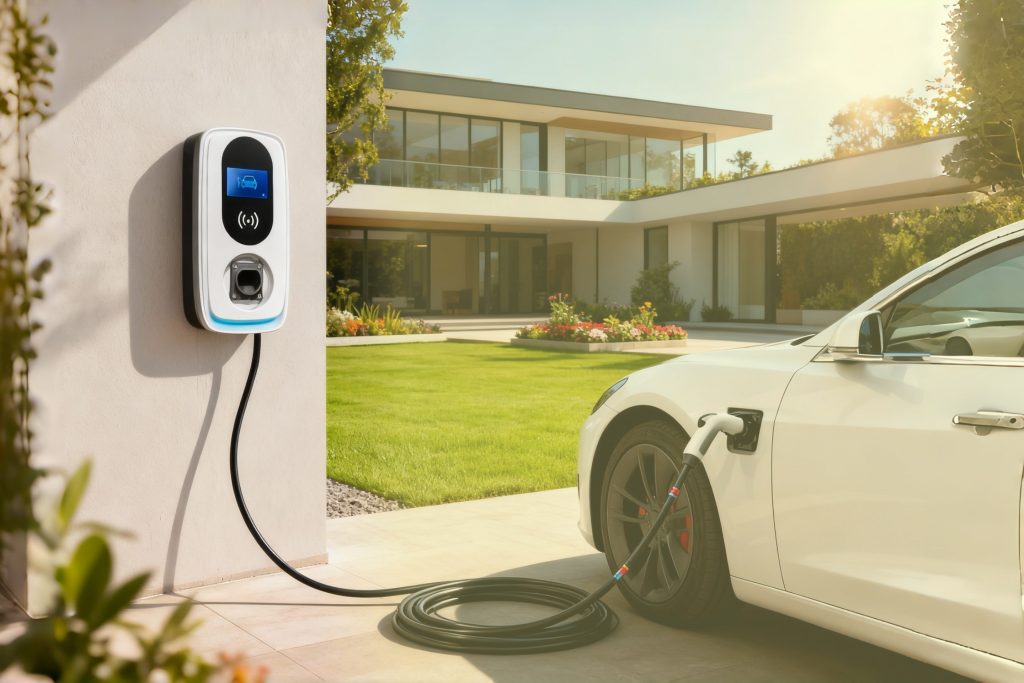
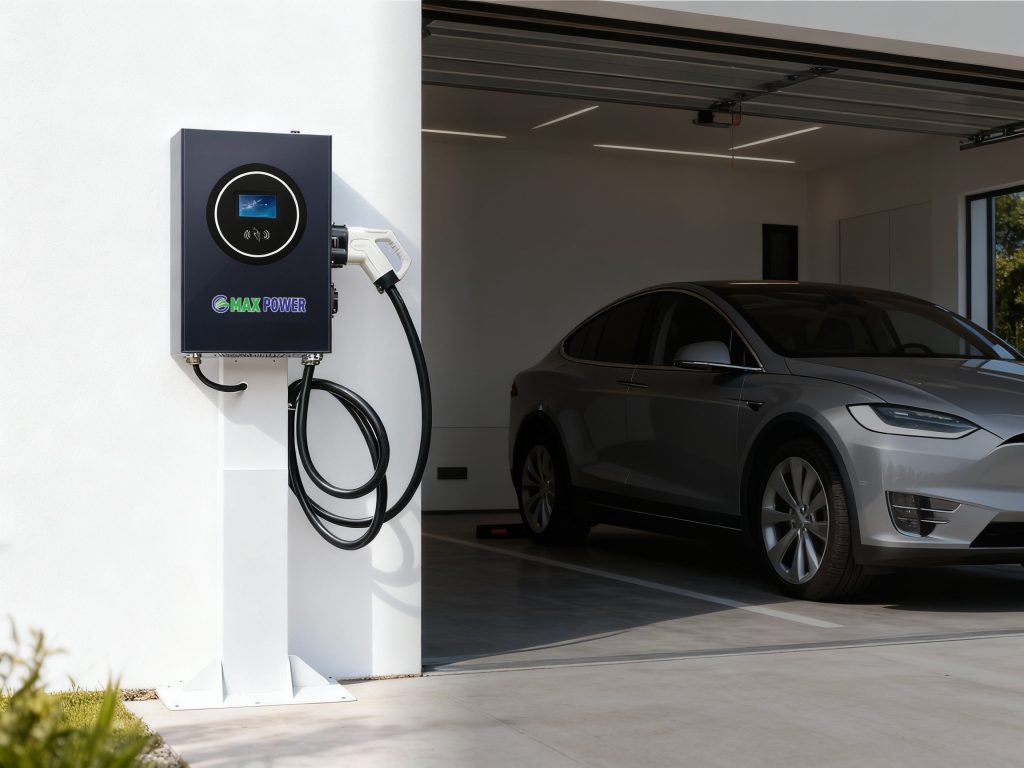
Shopping Centre EV Charging has emerged as a critical amenity for modern malls, bridging the gap between convenient retail experiences and the growing demand for electric vehicle (EV) infrastructure. As more consumers switch to EVs, shopping centers that offer reliable charging solutions not only attract Eco-conscious customers but also encourage longer stays—giving visitors more time to explore stores, dine, and make purchases. Unlike residential or highway charging stations, Shopping Centre EV Charging is designed to align with retail rhythms, prioritizing quick yet efficient charging, seamless integration with mall layouts, and added value for both shoppers and centre operators. These stations often blend functionality with aesthetics, fitting into common areas like parking garages or outdoor plazas without disrupting the shopping environment.

Shopping Centre EV Charging systems frequently incorporate user-centric features to simplify the charging process for busy shoppers
Many setups include intuitive interfaces such as touchscreens or mobile app connectivity, allowing users to start charging with a few taps or via RFID cards—eliminating the need for complex setup. To cater to different EV models, these stations support multiple charging protocols, including CCS, Type 2, and CHAdeMO, ensuring compatibility with everything from compact electric cars to large electric SUVs. Additionally, Shopping Centre EV Charging often includes real-time status updates, letting shoppers check charger availability through the mall’s app or digital signage, so they can plan their shopping trips around charging times without unnecessary delays.
Shopping Centre EV Charging can be integrated with advertising and branding promotion to create dual value for mall operators
Systems like the Max Power KC Series, for example, feature 55-inch 4K high-brightness screens that display striking advertisements day and night—turning charging stations into revenue-generating media hubs. Operators can seamlessly manage content via a built-in Android OS: remotely updating ads, monitoring equipment performance, and scheduling playback to align with peak shopping hours or seasonal promotions. This integration not only offsets the cost of charging infrastructure but also boosts brand visibility for both the mall and its tenant stores, as shoppers engage with ads while waiting for their vehicles to charge.
Shopping Centre EV Charging supports flexible charging speeds to match varying shopper schedules
For visitors planning a short stop (e.g., a quick grocery run), fast-charging options (up to 360kW) can deliver a significant charge in 10-20 minutes—enough to power a return trip home. For those spending a full day at the mall, slower, high-efficiency chargers (11KW–22KW) are ideal, providing a full charge over several hours while shoppers enjoy meals, movies, or retail therapy. This flexibility ensures that Shopping Centre EV Charging caters to diverse needs, from time-pressed commuters to leisure-focused families, without creating bottlenecks or long wait times.

Shopping Centre EV Charging often includes smart management tools to optimize operations for mall staff
Dynamic Load Balancing (DLB) technology is a key feature, distributing power evenly across all active chargers to prevent electrical overloads—critical for shopping centers with limited electrical capacity. Remote monitoring systems also allow staff to track charger usage, detect maintenance issues in real time (such as a faulty cable or low power output), and schedule repairs during off-peak hours (like overnight), minimizing disruption to shoppers.
Shopping Centre EV Charging plays a vital role in supporting a greener retail ecosystem
By offering EV charging, malls reduce their carbon emission by encouraging the use of zero-emission vehicles, aligning with global sustainability goals and enhancing their brand image as environmentally responsible businesses. Many shoppers now actively seek out shopping centres with eco-friendly amenities, and Shopping Centre EV Charging serves as a visible indicator of a mall’s commitment to sustainability. This not only attracts a growing demographic of eco-conscious consumers but also sets the mall apart from competitors that have not yet adopted EV infrastructure.
In summary, Shopping Centre EV Charging is more than just a utility—it is a strategic asset that enhances customer satisfaction, drives revenue, and supports sustainability for modern shopping centres. By combining user-friendly charging solutions with advertising capabilities, flexible speed options, and smart management tools, these systems create a win-win scenario: shoppers get convenient, reliable charging while enjoying their mall visits, and operators boost foot traffic, extend customer stays, and generate additional income from ads. As EV adoption continues to rise, Shopping Centre EV Charging will become an essential part of retail infrastructure, helping malls remain competitive and relevant in a rapidly changing automotive landscape.
Shopping Centre EV Charging FAQs
What are the standout features of the Max Power KC Series for shopping centre EV charging?
A: The Max Power KC Series features 55-inch 4K high-brightness screens that deliver striking advertisements both day and night. This system allows shopping centers to seamlessly manage content via its built-in Android OS, enabling remote ad updates, equipment monitoring, and scheduled playback. It can transform standard screens into interactive terminals, AI service windows, or dynamic data displays. This creates a dual income stream from both charging services and advertising revenue while significantly boosting brand visibility with its plug-and-play RFID/OCPP charging capabilities.
How can the Max Power KC Series enhance advertising revenue at shopping centre EV charging stations?
A: By featuring 55-inch 4K high-brightness screens, the Max Power KC Series delivers visually compelling advertisements that remain effective day and night. The built-in Android OS enables centralized management of all advertising content, allowing for remote updates and scheduled playback across multiple stations. This transforms ordinary charging points into high-value advertising platforms, generating substantial additional revenue while maintaining core charging functions through its plug-and-play RFID/OCPP charging system.
What content management capabilities does the Max Power KC Series offer for shopping centre EV charging?
A: The Max Power KC Series features comprehensive content management through its built-in Android OS, enabling operators to remotely update advertisements, monitor equipment status, and schedule media playback across all stations. The system’s 55-inch 4K high-brightness screens ensure optimal visibility for all content types. This advanced management capability, combined with plug-and-play RFID/OCPP charging, allows shopping centres to efficiently operate multiple charging stations while maximizing advertising impact and revenue potential.
How does the Max Power KC Series create interactive experiences at shopping centre EV charging stations?
A: The Max Power KC Series features versatile 55-inch 4K high-brightness screens that can be transformed into interactive terminals, AI service windows, or real-time data displays. This functionality enhances customer engagement during charging sessions while maintaining the reliable plug-and-play RFID/OCPP charging core functionality. The built-in Android OS enables seamless management of these interactive features, allowing shopping centres to offer unique customer experiences while generating advertising revenue through the high-visibility displays.
What business advantages does the Max Power KC Series provide for shopping centre EV charging operations?
A: The Max Power KC Series features a revenue-generating design that creates dual income streams from both charging services and high-impact advertising. Its 55-inch 4K high-brightness screens deliver premium visual content day and night, while the built-in Android OS enables efficient remote management of all stations. The system boosts brand visibility and customer engagement through interactive capabilities, all supported by reliable plug-and-play RFID/OCPP charging technology that ensures seamless operation and customer satisfaction.