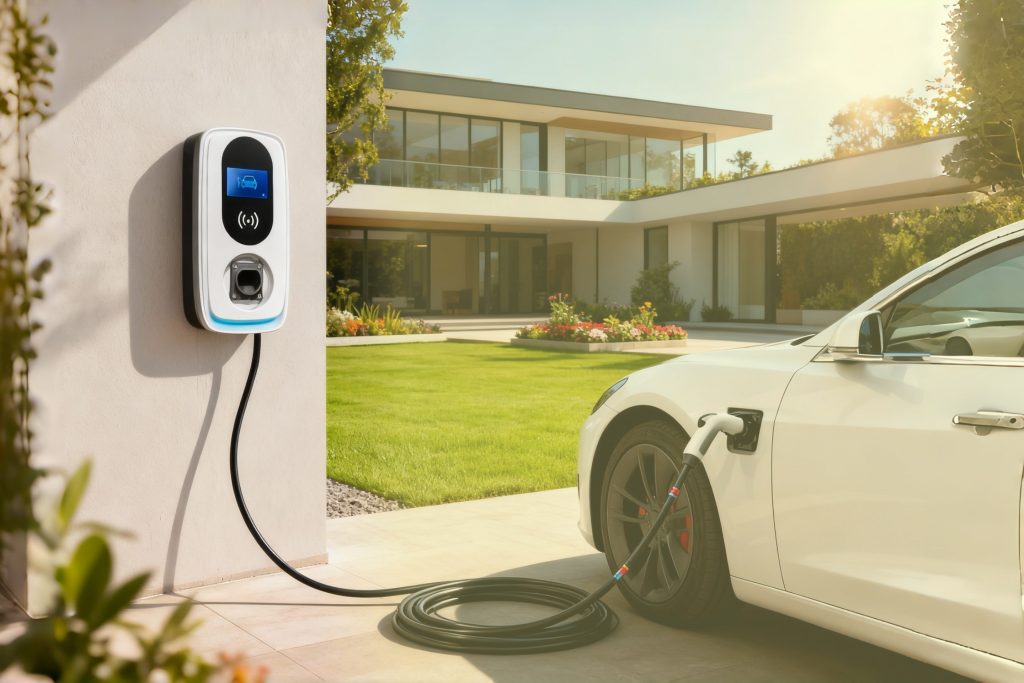
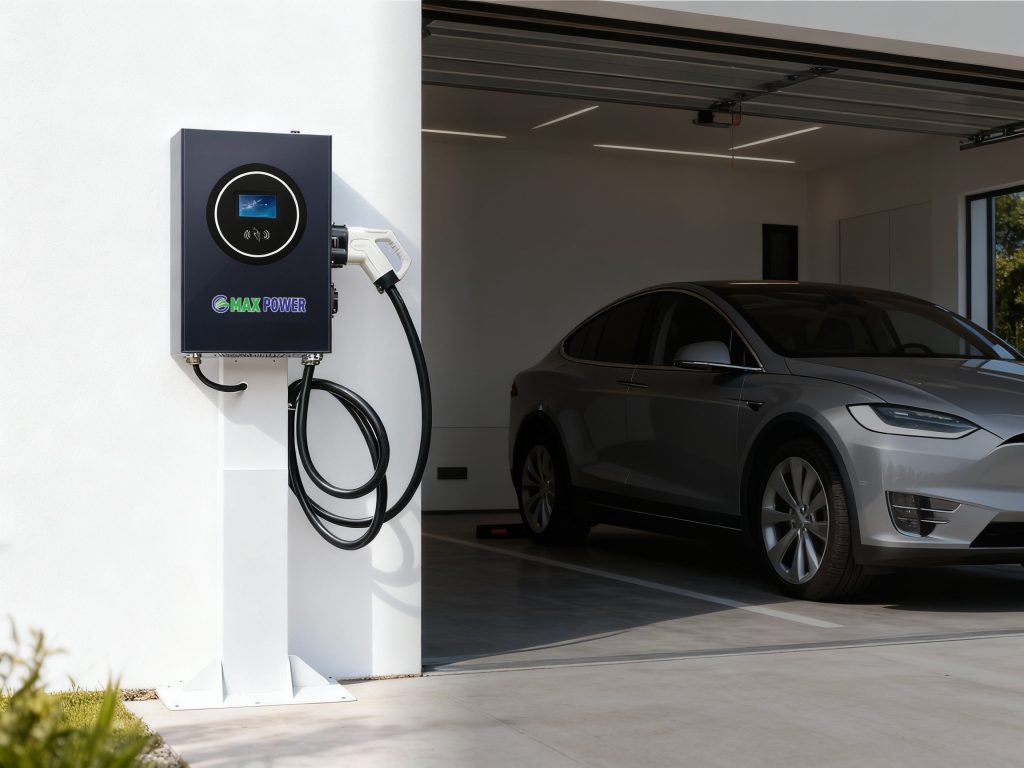
The electric vehicle (EV) market is experiencing unprecedented growth, driving a critical demand for robust and efficient charging infrastructure. At the forefront of this evolution are type 2 ac ev charger solutions, which have become the global standard for AC charging due to their versatility and widespread adoption, particularly in Europe and increasingly worldwide. As businesses and municipalities invest heavily in sustainable transport, understanding the nuances of an advanced ac charging station is paramount. This includes evaluating factors like power delivery capabilities, smart grid integration, and durability. The continued expansion of EV fleets, combined with commitments to decarbonization, underscores the importance of high-performance ac ev charger units that can meet diverse operational demands, from residential communities to commercial depots.
The shift towards electrification necessitates reliable and future-proof ac recharge station deployments. These systems are not merely power outlets; they are sophisticated networks that require careful planning and implementation to ensure optimal uptime and user satisfaction. From a technical perspective, modern ac charger for ev units leverage advanced power electronics and communication protocols like OCPP (Open Charge Point Protocol) to enable seamless operation, remote management, and dynamic load balancing (DLB). These capabilities are crucial for maximizing charging efficiency and preventing grid overload, especially in scenarios where multiple vehicles need to charge simultaneously. Industry trends indicate a strong move towards modular, scalable, and intelligent charging solutions that can adapt to evolving energy landscapes and user behaviors.
Introducing the AC Dual Gun Charging Station ACP Series
The AC Dual Gun Charging Station ACP Series represents a significant leap in EV charging technology, designed to revolutionize both home and commercial installations. With its compact and sleek design, measuring 380×1360×320mm, the ACP Series seamlessly integrates into various environments without occupying excessive space. This advanced type 2 ac ev charger supports both single and dual-gun modes, offering unparalleled flexibility for charging one or two vehicles concurrently. Its standout feature is the intelligent Dynamic Load Balancing (DLB) technology, which dynamically distributes power ranging from 7KW to 44KW between connected vehicles. This ensures optimal power allocation based on vehicle needs and available grid capacity, preventing overloads and maximizing efficiency.
The ACP Series is engineered for resilience and long-term performance, making it an ideal ac charging station for diverse applications. Whether deployed in residential complexes, corporate parking lots, or public charging hubs, its robust construction and intelligent features provide a reliable and user-friendly experience. The integration of DLB is particularly beneficial for multi-EV households or commercial settings where managing energy consumption is critical. By prioritizing charging needs and optimizing power flow, the ACP Series not only enhances the charging experience but also contributes to reduced operational costs and improved grid stability, setting a new benchmark for ac charger for ev solutions.
Technical Specifications of AC Dual Gun Charging Station ACP Series
To provide a comprehensive understanding of the ACP Series’ capabilities, we present its key technical specifications. These parameters highlight the unit’s robust engineering and suitability for demanding environments. This ac ev charger is built to stringent international standards, ensuring safety, reliability, and interoperability.
| Parameter | Specification |
|---|---|
| Model | AC Dual Gun Charging Station ACP Series |
| Power Output | 7KW - 44KW (Dynamic Load Balancing) |
| Charging Mode | Single Gun / Dual Gun |
| Connector Type | Type 2 (IEC 62196-2) |
| Dimensions (H×W×D) | 378 × 320 × 1362mm |
| Input Voltage | AC 400V ± 10%, 3-Phase |
| Frequency | 50/60 Hz |
| Efficiency | > 98% |
| Protection Grade | IP54 |
| Operating Temperature | -30°C to +50°C |
| Communication | Ethernet, 4G, Wi-Fi (OCPP 1.6J supported) |
| Safety Standards | CE, IEC 61851, RoHS |
The robust IP54 protection grade ensures that this ac recharge station is suitable for outdoor installations, capable of withstanding various environmental conditions. Its wide operating temperature range further reinforces its reliability in diverse climates. The high efficiency rating of over 98% translates directly into lower energy losses and reduced operational costs for users, making the ACP Series an economically sound investment for any organization considering ac charger for ev infrastructure.
Market Comparison: Leading Type 2 AC EV Chargers
In a competitive market for type 2 ac ev charger solutions, understanding how the ACP Series stands against other offerings is crucial. This comparison table provides insights into various general parameters often considered by B2B clients when selecting an ac charging station. Data points include typical power outputs, common communication protocols, and physical durability ratings. This comprehensive view helps highlight the advanced features and robust engineering that define premium ac ev charger units, ensuring informed decision-making for long-term infrastructure investments.

| Feature | ACP Series (Our Product) | Competitor A (Premium) | Competitor B (Standard) |
|---|---|---|---|
| Power Range (AC) | 7-44KW (DLB) | 7-22KW | 7-11KW |
| Guns/Connectors | Dual Type 2 | Single/Dual Type 2 | Single Type 2 |
| Dynamic Load Balancing (DLB) | Yes (Integrated) | Optional/External | No |
| Communication | OCPP 1.6J (Ethernet, 4G, Wi-Fi) | OCPP 1.6 (Ethernet, 4G) | Basic Ethernet |
| Protection Rating | IP54 | IP54 | IP54 (Some IP44) |
| Certifications | CE, IEC, RoHS | CE, IEC | CE |
This comparison demonstrates the ACP Series’ competitive edge, particularly with its higher power range facilitated by integrated DLB, making it a highly adaptable ac recharge station solution. While Competitor A offers similar dual-gun functionality, its DLB might require external modules, increasing installation complexity. Competitor B represents a more basic offering, highlighting the premium features of our ACP Series. This data is critical for any organization planning extensive ac charger for ev deployments, emphasizing the long-term benefits of advanced technology and robust design.
The Manufacturing and Quality Assurance of Our AC EV Chargers
The production of a high-quality type 2 ac ev charger involves a sophisticated multi-stage manufacturing process, ensuring each unit meets the highest standards of performance, safety, and durability. Our commitment to excellence begins with the selection of premium materials and extends through every phase of assembly and rigorous testing. The typical lifespan for our commercial ac charging station units is estimated at 10-15 years, a testament to our robust engineering and manufacturing quality.
Key Manufacturing Stages:
- Material Sourcing & Inspection: We meticulously select materials such as high-grade carbonized steel for robust enclosures, galvanized steel for structural components, and pure copper for cabling and conductive elements. All incoming materials undergo rigorous quality checks conforming to ISO 9001 standards to ensure they meet specified mechanical and electrical properties, as well as environmental compliance (e.g., RoHS).
- Component Fabrication: Casing components are produced via advanced molding techniques, ensuring precision and uniformity. Metal parts, such as mounting brackets and internal frames, may utilize CNC machining for exact tolerances, guaranteeing perfect fit and structural integrity for each ac ev charger.
- Printed Circuit Board (PCB) Assembly: The electronic heart of the charger involves Surface Mount Technology (SMT) for populating PCBs with microcontrollers, power modules, and communication chips. Automated optical inspection (AOI) ensures solder joint quality and component placement accuracy, crucial for reliable performance of an ac recharge station.
- Module Integration & Wiring: Individual electronic modules (e.g., power supply, control board, communication module) are integrated into the main assembly. This phase includes precise wire harnessing, ensuring secure electrical connections and optimal power flow. All wiring conforms to ANSI standards for electrical safety and performance.
- Firmware Flashing & Software Configuration: The operational intelligence of the ac charger for ev is instilled by flashing the latest firmware and configuring the software. This includes setting up OCPP protocols for network communication and DLB algorithms for efficient power management.
- Final Assembly & Enclosure Sealing: All internal components are housed within the protective enclosure. Special attention is paid to sealing mechanisms to achieve the specified IP rating, crucial for environmental protection against dust and water ingress.
- Rigorous Testing & Calibration: Each completed unit undergoes comprehensive electrical safety tests (e.g., insulation resistance, ground bond), functional tests (power output accuracy, communication verification), and burn-in tests under simulated load conditions. Calibration ensures precise power delivery and measurement accuracy. This meticulous testing regime adheres to IEC 61851 standards.
- Quality Control & Packaging: A final quality inspection verifies cosmetic integrity, documentation, and packaging. Chargers are then prepared for shipment, ensuring they arrive in perfect condition.
Application Scenarios and Technical Advantages
The versatility and technical prowess of the ACP Series type 2 ac ev charger make it suitable for a broad spectrum of applications, from individual homeowners to large commercial enterprises. Its core technical advantages translate into tangible benefits across diverse operational environments, reinforcing its position as a leading ac charging station in the market.
Typical Application Scenarios:
- Residential Complexes & Multi-Unit Dwellings: The dual-gun capability and DLB system are ideal for shared parking facilities, optimizing power usage and enabling multiple residents to charge efficiently without grid upgrades.
- Commercial & Office Buildings: Providing convenient charging for employees and visitors, enhancing corporate sustainability initiatives and offering a valuable amenity.
- Retail & Hospitality: Attracting EV drivers by offering reliable ac recharge station services, encouraging longer stays and increased patronage.
- EV Fleet Depots: Managing charging for a fleet of electric vehicles, where DLB ensures all vehicles are sufficiently charged by start of operations, maximizing uptime.
- Public Charging Hubs: Offering accessible and user-friendly charging points that can withstand heavy usage and diverse weather conditions due to its robust IP54 rating.
Technical Advantages:
- Dynamic Load Balancing (DLB): This intelligent feature dynamically allocates available power between two connected EVs, preventing circuit overloads and maximizing charging efficiency without costly grid infrastructure upgrades. It’s a key differentiator for our ac ev charger.
- High Efficiency (>98%): Minimizes energy waste during the charging process, leading to lower electricity bills for operators and a reduced carbon footprint, making it an energy-saving ac charger for ev.
- Robust Durability (IP54, -30°C to +50°C): Engineered for outdoor use, resistant to dust, splashes, and extreme temperatures, ensuring consistent operation in challenging environments and minimizing maintenance costs. This also contributes to its anti-corrosion properties.
- OCPP 1.6J Compatibility: Enables seamless integration with various charging network management systems, allowing for remote monitoring, billing, and diagnostics, providing flexibility and scalability for operators.
- Compact Dual-Gun Design: Maximizes space efficiency while offering dual-vehicle charging, an essential feature for locations with limited footprint but high demand.
These integrated advantages ensure that the ACP Series provides not just a charging solution, but a strategic asset that supports sustainable development and operational efficiency across a broad spectrum of industries.
Customized Solutions and Case Studies
Understanding that every client possesses unique requirements, we offer extensive customization options for our type 2 ac ev charger solutions. From specific branding and payment integrations to tailored power outputs and advanced backend software, our team works closely with clients to design an ac charging station that perfectly aligns with their operational and strategic goals. Our flexibility ensures that businesses receive not just a product, but a comprehensive charging ecosystem built to their exact specifications.
Illustrative Case Study: Corporate Fleet Electrification
A major logistics company sought to electrify its urban delivery fleet, requiring a scalable and intelligent ac recharge station solution for its central depot. The challenge was to charge 20+ vehicles overnight using existing grid connections without significant upgrades. We deployed 10 units of our ACP Series ac ev charger, leveraging their dual-gun capability and advanced DLB technology. This allowed 20 vehicles to be charged simultaneously, with the DLB intelligently distributing up to 440KW across the fleet, ensuring all vehicles were ready for operation by morning peaks. The client reported a 25% reduction in anticipated peak electricity demand costs and significantly streamlined their fleet management processes due to the integrated OCPP backend. This project showcases the practical advantages of a well-planned ac charger for ev deployment.

Expert Q&A: Deep Dive into AC EV Charging
Our expertise in type 2 ac ev charger technology allows us to address common technical inquiries from B2B decision-makers and engineers. Here are answers to some frequently asked questions regarding ac charging station solutions.
Q1: What is Dynamic Load Balancing (DLB) and why is it crucial for an AC EV charger?
A1: DLB is a smart energy management feature that automatically adjusts the power output of an ac ev charger based on the real-time electrical load of a building or site. It’s crucial because it prevents overloading the existing electrical infrastructure, allowing multiple EVs to charge without exceeding the grid’s capacity or requiring expensive electrical upgrades. Our ACP Series integrates DLB to ensure efficient and safe power distribution, maximizing the utility of each ac recharge station installation.
Q2: What does 'Type 2' mean in the context of AC EV chargers?
A2: Type 2 refers to the most common connector standard for AC charging in Europe and many other regions, defined by IEC 62196-2. It features a seven-pin connector, suitable for both single-phase (up to 7.4 kW) and three-phase (up to 44 kW) AC charging. This standardization ensures broad compatibility with a wide range of electric vehicles and enhances the user experience at any ac charger for ev.
Q3: What role does OCPP play in the ACP Series?
A3: OCPP (Open Charge Point Protocol) is an application protocol that enables communication between EV charging stations and a central management system. The ACP Series supports OCPP 1.6J, allowing for remote monitoring, authorization, billing, diagnostics, and firmware updates. This open protocol ensures interoperability, allowing our type 2 ac ev charger to integrate seamlessly into existing or new charging networks, offering flexibility to operators.
Q4: What are the primary safety standards applied to your AC charging stations?
A4: Our ac charging station products, including the ACP Series, adhere to stringent international safety standards. Key certifications include CE (Conformité Européenne) for European market compliance, IEC 61851 (Electric vehicle conductive charging system) which specifies the general requirements for the electric vehicle conductive charging system, and RoHS (Restriction of Hazardous Substances) for environmental compliance. These ensure safe and reliable operation of every ac ev charger.
Q5: What are the enclosure material and IP rating for the ACP Series?
A5: The ACP Series utilizes high-grade carbonized steel for its enclosure, selected for their durability, impact resistance, and weatherproofing capabilities. It carries an IP54 rating, meaning it is protected against dust ingress sufficient to prevent interference with the satisfactory operation of the equipment and protected against splashing water from any direction. This makes it suitable for outdoor installation as a robust ac recharge station.
Q6: How long is the expected service life and what is the warranty policy?
A6: Designed for longevity, the ACP Series ac charger for ev has an expected service life of 10-15 years under normal operating conditions, thanks to its robust construction and high-quality components. We back this commitment with a comprehensive 2-year standard warranty on all parts and labor, with extended warranty options available upon request. Our dedicated customer support team is available to assist with any queries or issues, ensuring maximum uptime and peace of mind for our clients.
Q7: What is the typical delivery timeframe for a customized AC EV charging solution?
A7: The delivery timeframe for a customized type 2 ac ev charger solution can vary depending on the complexity of the customization and order volume. Generally, standard ACP Series units are dispatched within 4-6 weeks after order confirmation. For bespoke solutions requiring specific hardware modifications or extensive software integration, the lead time may extend to 8-12 weeks. We maintain transparent communication throughout the process, providing regular updates on production and shipping schedules to ensure timely deployment of your ac charging station.
Authoritative References
- International Electrotechnical Commission (IEC). IEC 61851-1: Electric vehicle conductive charging system - Part 1: General requirements. 2017.
- Open Charge Alliance. Open Charge Point Protocol (OCPP) 1.6 JSON and SOAP. 2015.
- European Committee for Standardization (CEN) & European Committee for Electrotechnical Standardization (CENELEC). EN 62196-2: Plugs, socket-outlets, vehicle connectors and vehicle inlets – Conductive charging of electric vehicles – Part 2: Dimensional compatibility and interchangeability requirements for a.c. pin and contact-tube accessories. 2017.
- International Organization for Standardization (ISO). ISO 9001: Quality management systems – Requirements. 2015.
- European Parliament and Council. Directive 2011/65/EU on the restriction of the use of certain hazardous substances in electrical and electronic equipment (RoHS 2). 2011.