The Challenge
A bus company in Costa Rica was tasked with supporting local municipal transport through electrification. The objective was clear: reduce the reliance on combustion buses and ease the burden on public mobility. But electrifying a transit fleet introduces a hard operational constraint — if buses wait in line to charge, citizens wait for buses.
The depot environment added further complexity. Central America’s tropical climate brings high humidity and heavy rainfall, meaning any charging equipment had to perform reliably in open-air or semi-covered conditions. And because municipal schedules are fixed, charging had to be orchestrated around service hours, not against them.
The Max Power Solution
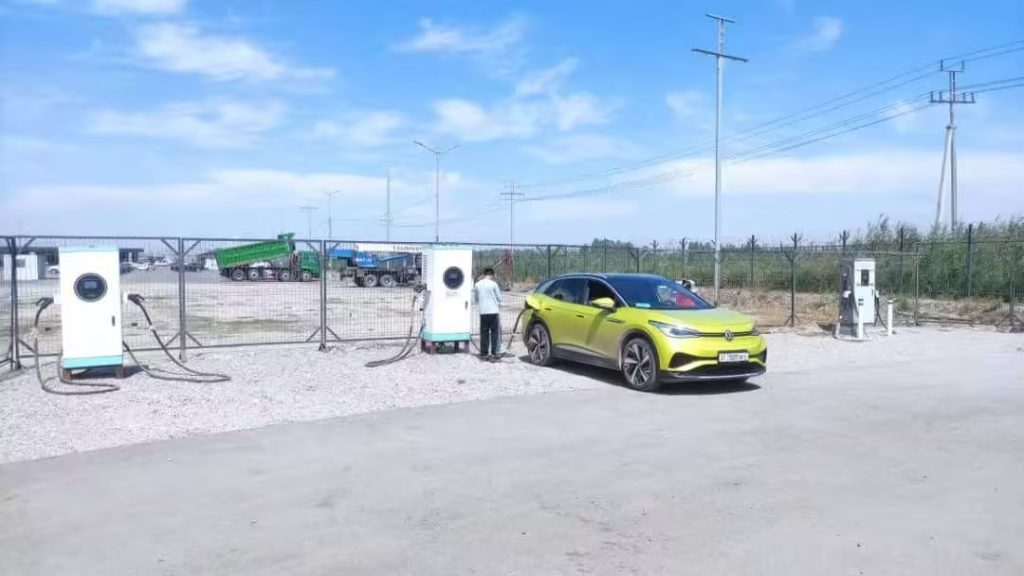
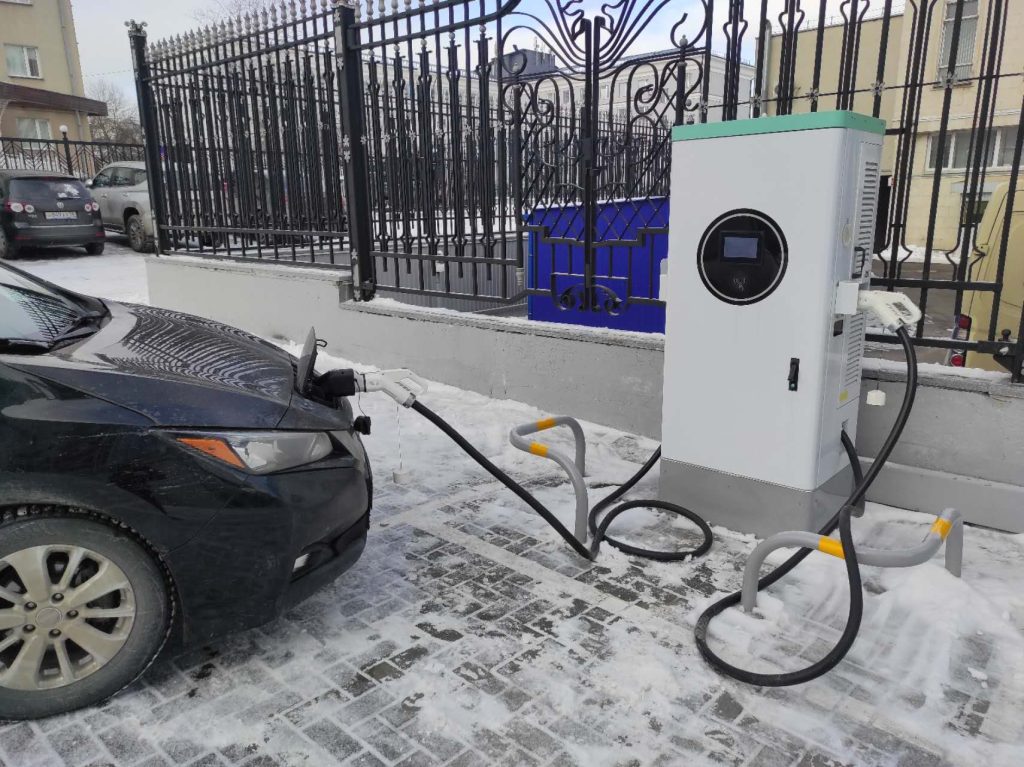
The operator deployed Max Power 240kW DC dual-gun charging stations tailored to transit-scale batteries and depot workflows:
- 240kW dual-gun output — sized for the large battery packs of modern electric buses, enabling a meaningful state-of-charge recovery between morning and afternoon route cycles.
- IP54 outdoor-rated enclosures — engineered for tropical humidity and rain exposure, protecting internal power modules without requiring a fully enclosed building.
- OCPP 1.6J platform integration — enabled smart scheduling tied to off-peak electricity tariffs, so buses charged when grid demand and cost were lowest, without manual intervention.
- Dual-gun flexibility — two buses could be serviced per station, or a single bus could receive concentrated power when the second gun was unused.
The smart-scheduling layer proved as valuable as the raw power. By aligning charge sessions with off-peak windows through OCPP 1.6J, the depot reduced electricity cost per kilowatt-hour while keeping vehicles ready for peak commuting hours.

The Results
The station delivered measurable operational relief:
- Reduced depot queue times — 240kW units returned buses to service quickly between routes, keeping more vehicles on the road during peak periods.
- Lower energy cost — OCPP-driven scheduling shifted consumption to lower-tariff hours, improving the economics of municipal electrification.
- Climate resilience — IP54 enclosures maintained uptime through humid, rainy conditions that would degrade lesser-rated equipment.
As with the Thailand deployment, specific ridership or emissions data remains with the operator. But the design unambiguously targeted the two pain points of transit electrification: vehicle availability and cost control.
Key Takeaways for Transit Authorities
- Power follows the fleet profile. Buses need 240kW-class charging to recover enough range during natural breaks in service.
- Scheduling is a feature, not an add-on. OCPP 1.6J smart charging turns a static depot into a managed, cost-aware asset.
- Environmental rating is non-negotiable. IP54 is the floor for outdoor public transport infrastructure in tropical markets
Related Resources
→ See the companion deployment: [Thailand Taxi Fleet Hub – 160kW]
→ Architect your network with the [Commercial Charging Station Playbook]
Ready to Electrify Your Transit Depot?
Max Power’s 240kW dual-gun DC stations are built for municipal-scale reliability — IP54 protection, OCPP 1.6J integration, and throughput designed around fixed schedules. Click the chat button in the bottom right corner and leave your contact information. Our professional team will contact you and provide a solution tailored to your needs.