Mobile DC Charger Case Study: 40kW XC Series for Paris Olympics Electric Fleet Support
November 13, 2026
Challenge
During the Paris 2024 Olympic Games, the French government deployed a fleet of electric vans and buses to transport athletes, officials, and event materials across the city. These vehicles operated on dynamic, multi-route schedules with no fixed depot — traditional charging infrastructure couldn’t keep pace with the fluid logistics.
The organizing committee needed:
Mobile charging that moves with the fleet — not the other way around.
Rapid power input connection — ability to tap into available three-phase sources at different venues and checkpoints.
Command-vehicle integration — charger and cables must fit inside or be towed by a support/command vehicle.
Mission-critical reliability — zero tolerance for charging failures during live events.
Max Power Solution
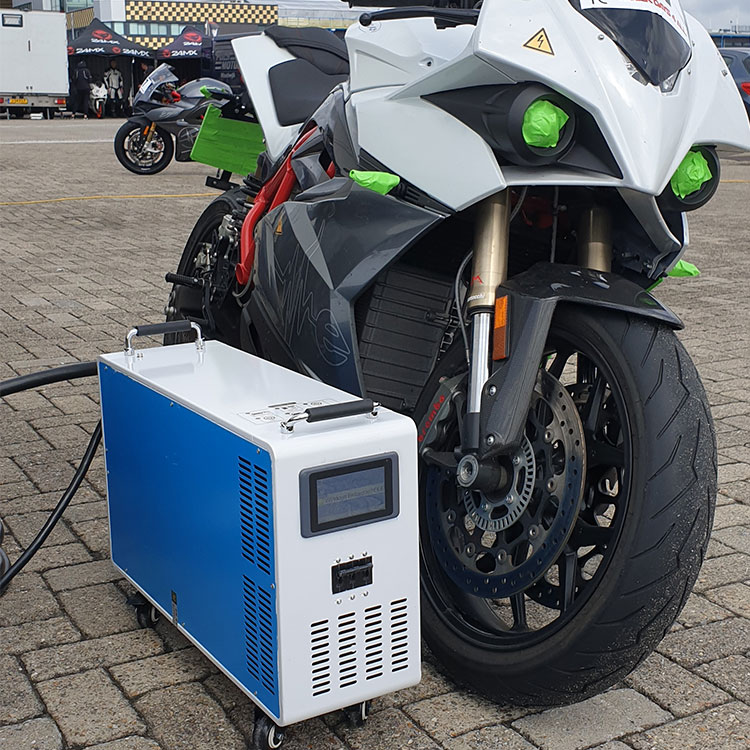
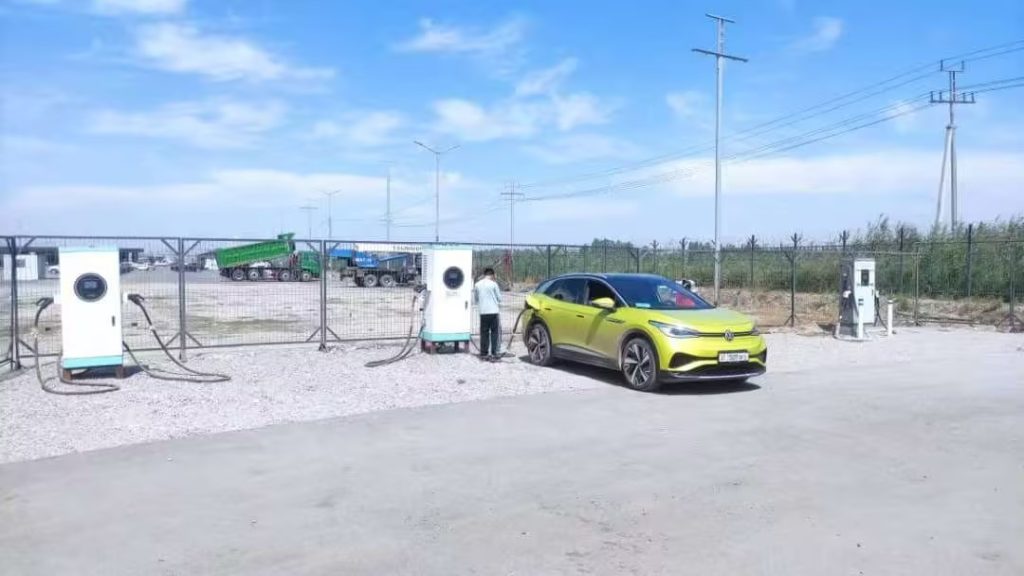
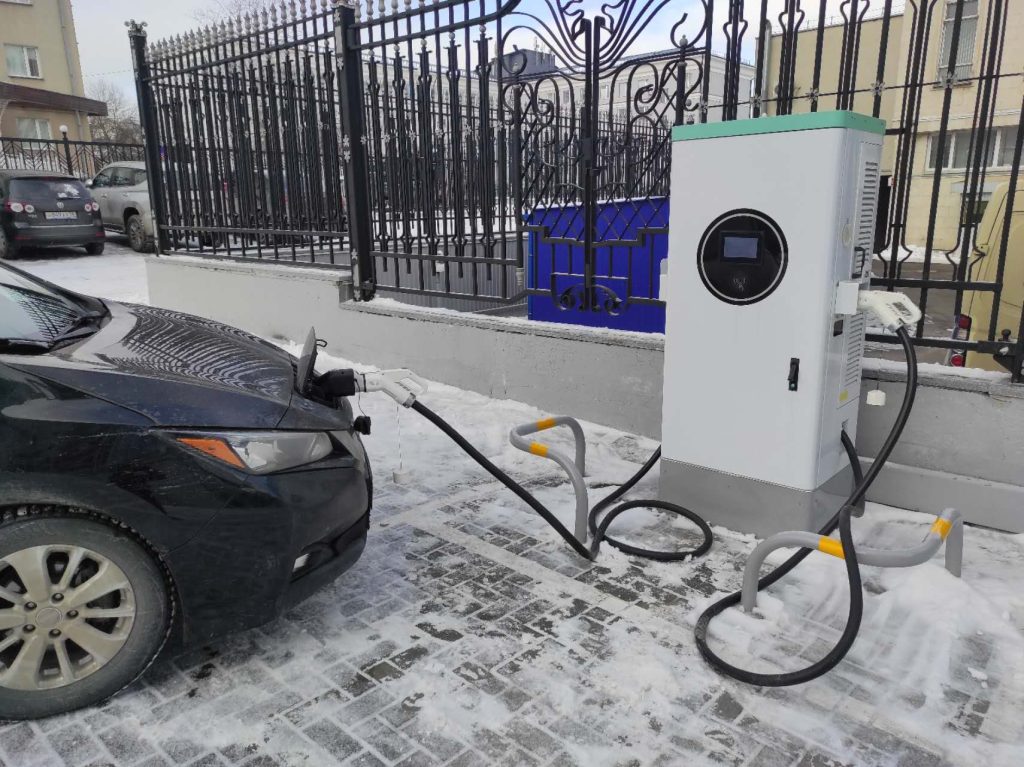
XC Series 40kW mobile DC single-gun charger, integrated into a command vehicle
40kW DC output — sufficient to top up electric vans (60–100kWh batteries) during 30–60 minute dwell windows between routes.
Command-vehicle configuration — charger secured inside a government electric support van; input cables and DC gun stored in dedicated compartments for rapid deployment.
Flexible input options — compatible with 380–480V three-phase supplies available at venues, emergency services hubs, and temporary power distribution points across Paris.
Sub-5-minute setup — from vehicle arrival to charging start: unroll input cable, connect to available power source, plug DC gun into vehicle. Total elapsed time: under 5 minutes.
OCPP 1.6J remote monitoring — central operations team tracked state of charge, session duration, and fault codes across all mobile units via cloud dashboard.
Ruggedized for road use — shock-mounted internal components, vibration-tested chassis, and temperature-controlled enclosure ensured reliability during constant transit.
🔑 Operational innovation: The XC 40kW wasn't just a charger — it was a logistics enabler. By pairing the charger with a command vehicle, organizers created a "charging-as-a-service" node that could be repositioned hourly based on fleet demand. When one route finished, the support van relocated to the next checkpoint, plugging into whatever power was locally available.
Results
Zero missed departures — all electric fleet vehicles completed their assigned routes; no athlete or material transport delayed due to charging.
Rapid redeployment — support van relocated 3–5 times daily across Paris venues; average setup-to-charge time: 4.2 minutes.
Grid flexibility — tapped into 12+ different power sources across the city (venue panels, generator tie-ins, temporary distro boxes) without requiring dedicated infrastructure.
Scalable model — the same configuration was replicated for other government electric fleets during the Paralympics and subsequent Paris events.
Takeaways for Event & Emergency Fleets
Charging must follow the mission — fixed stations are useless when vehicles are constantly moving.
Sub-5-minute setup is non-negotiable — specify chargers with plug-and-play input and cable management designed for rapid deployment.
Command-vehicle integration — design the charger as part of a mobile kit, not a standalone device.
OCPP monitoring at scale — remote visibility across dispersed mobile units is essential for operational control.