Challenge
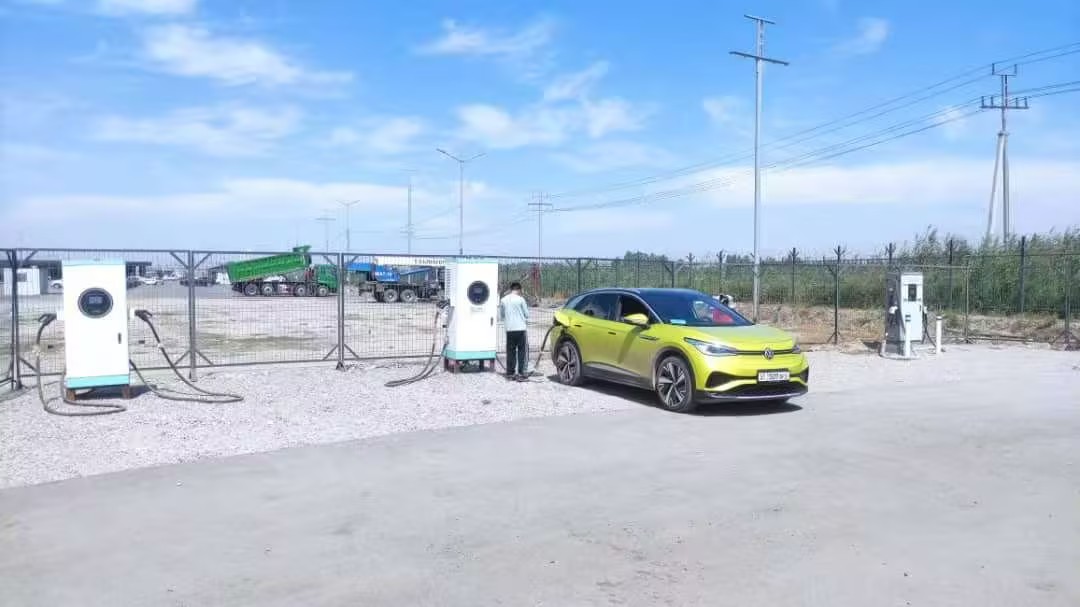
A commercial parking operator in Kyrgyzstan installed multiple DC fast chargers across a retail and hospitality complex. Within the first month, the electricity bill revealed a costly surprise: standby power consumption.
Even when no vehicle was connected, each charger drew significant AC power to keep control boards, displays, cooling fans and communication modules alive. Across 10+ units, this “vampire draw” added up to hundreds of dollars per month — pure overhead with zero revenue.
The operator needed:
- True zero-power standby — not just low-power mode, but complete electrical isolation when idle.
- Dual-gun DC charging for customer bays.
- No manual intervention — the system must auto-wake when a vehicle arrives.
- Revenue protection — every dollar saved on standby is a dollar of margin retained.
Max Power Solution
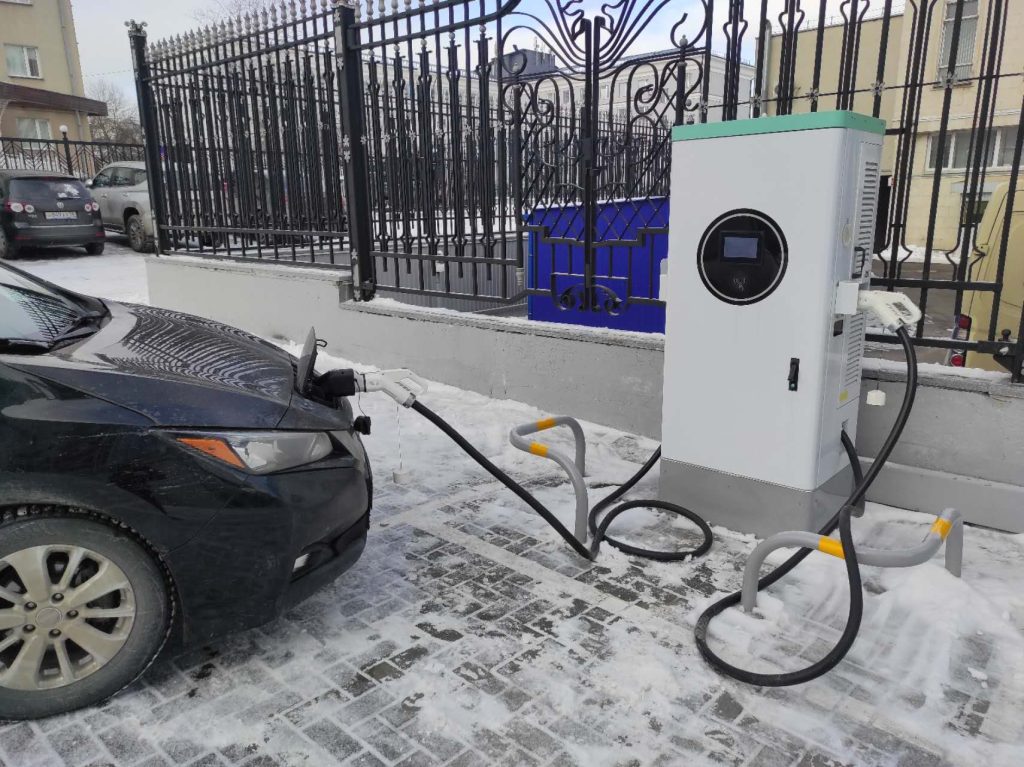
Floor-mounted dual-gun DC fast charger with integrated AC contactor
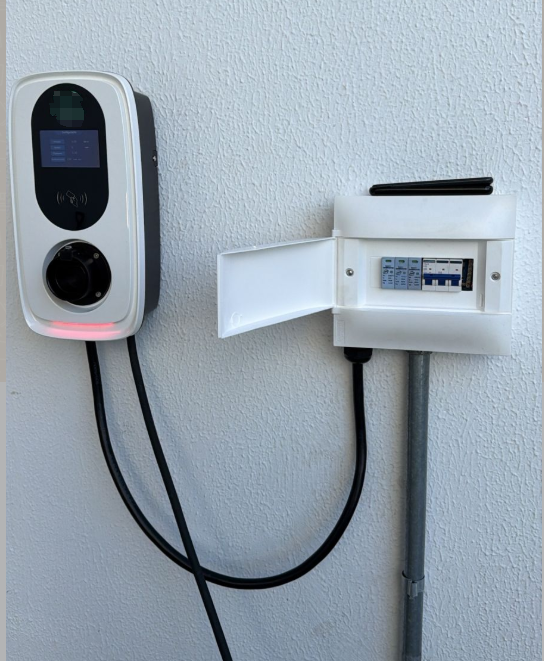
- Built-in AC contactor (main relay) — physically disconnects the AC input from all non-essential internal circuits when the charger is idle (no active session and no scheduled pre-conditioning). Consumption drops to < 3W (only a micro-controller listening for wake signals).
- Auto-wake on vehicle plug-in — the micro-controller detects connector insertion (via pilot signal) and closes the contactor within 2 seconds, restoring full AC power and initiating handshake.
- Dual-gun, up to 240kW total — two vehicles simultaneously; independent billing per gun.
- OCPP 1.6J cloud integration — CMS logs standby/active transitions; operator can override contactor behavior for scheduled fleet charging or remote pre-conditioning.
- Smart scheduling — contactor can be programmed to open during off-peak idle windows (e.g., 2 AM – 5 AM) and auto-close before morning rush.
- Energy metering at AC input — confirms zero draw during standby; provides auditable proof for energy-efficiency certifications.
🔑 Key innovation: Unlike software-based low-power modes that still leak 50–200W per unit, the hardware AC contactor provides galvanic isolation. When open, no current flows — period. This is the only way to guarantee zero standby cost in multi-unit commercial deployments.
Results
- Standby consumption eliminated — measured AC input power dropped from ~120W/unit to < 3W/unit during idle periods. Across 12 chargers, this saved ~42,000 kWh annually — approximately $5,000–$7,000 in electricity costs at local rates.
- No driver impact — wake-up delay of 2 seconds is imperceptible; charging sessions start as normal.
- ROI accelerated — contactor hardware paid for itself in 5 months through standby savings alone.
- Sustainability metric — operator now promotes the site as “Zero Idle Energy Certified,” attracting ESG-conscious commercial tenants.
Takeaways for Cost-Conscious Operators
- Ask your vendor: “What is standby consumption in watts?” If they can’t answer <5W, they’re costing you money every hour.
- Hardware isolation (contactor) beats software sleep — galvanic disconnection is the only true zero-draw solution.
- Auto-wake must be seamless — pilot-signal detection ensures drivers never notice the contactor cycle.
- Meter at the input — verify savings with data; don’t trust nameplate claims.
➡️ Compare with cold-climate deployments: [Russia -30°C DC Charger with Heater Case]
➡️ Plan your commercial revenue model: [Commercial Charging Station Playbook]
Please leave to us and we will be in touch within 24hours.