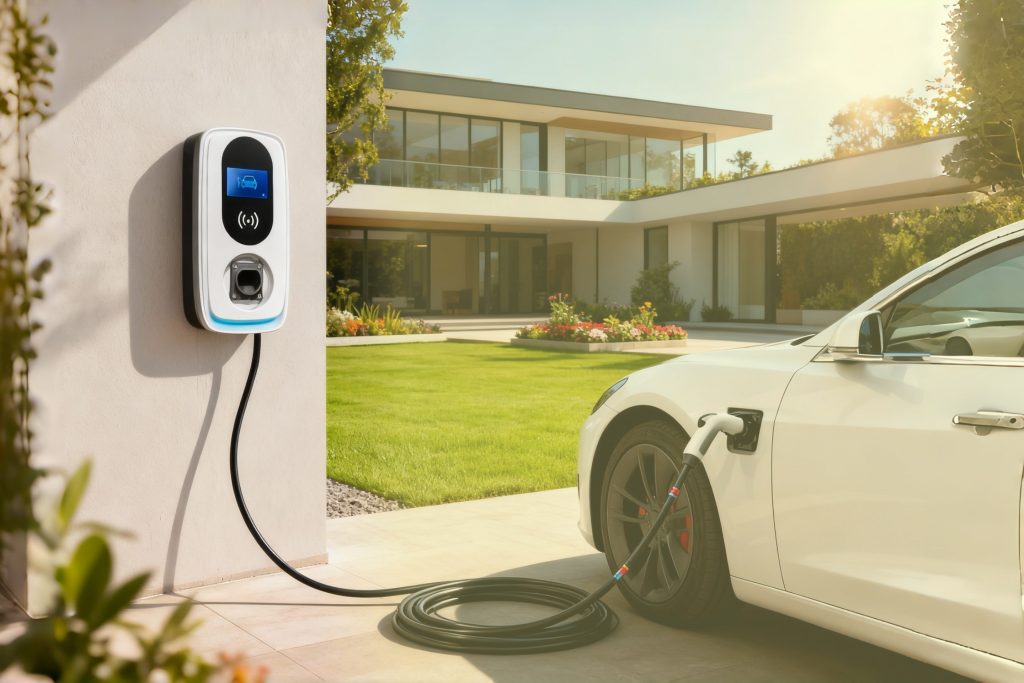
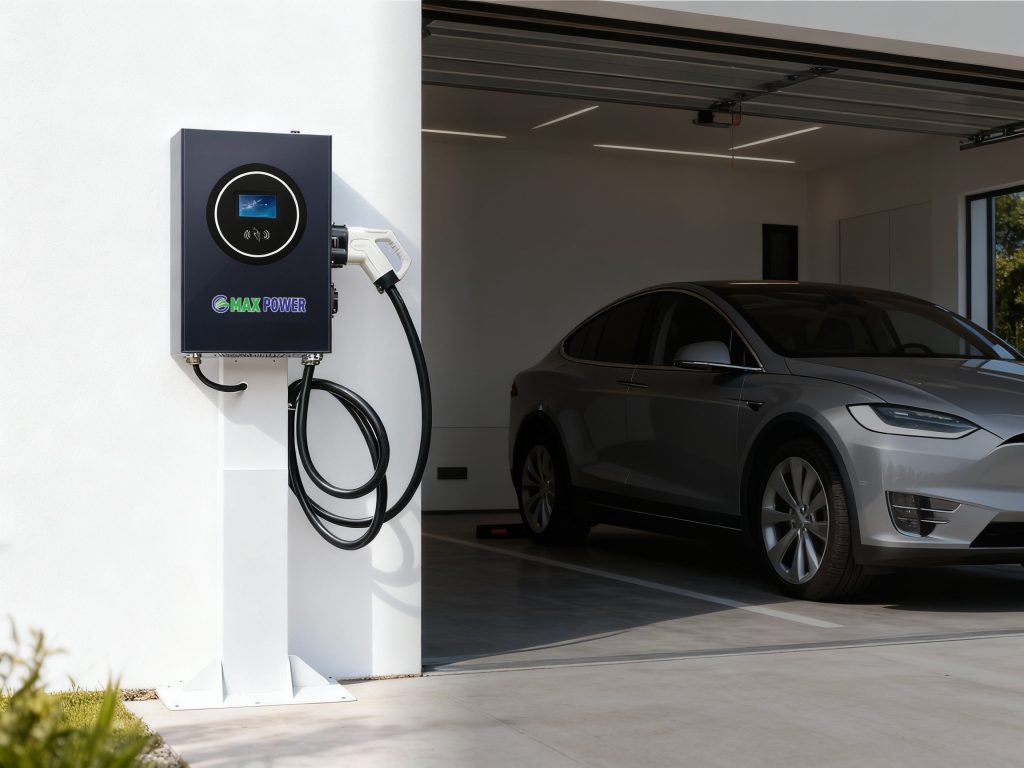
Long-haul truck charging station development stands as a critical yet challenging pillar in the global transition to electric commercial transportation, with unique hurdles distinct from passenger ev charging stations. Guangzhou Max Power New Energy Technology Co., Ltd.—a leader in professional charging station management software—partners with wholesalers to address these challenges, delivering robust electric vehicle charging station solutions tailored for heavy-duty use, paired with intelligent software that acts as a key hub connecting truck operators, charging facilities, and backend management systems. Max Power’s software, powered by big data and intelligent scheduling, mitigates core challenges like grid strain, long charging times, and operational inefficiencies at truck charging station, ensuring reliable performance for long-haul operations. For wholesalers targeting logistics companies, truck fleet operators, and highway infrastructure developers, this article explores the key challenges facing truck charging station deployments and how our optimized solutions drive successful implementation.

Technical Challenges for Truck Charging Station
- High Power Demand & Grid Compatibility: Long-haul trucks require 150kW-350kW+ charging power, creating significant grid strain at truck charging station —a challenge rarely faced by standard ev charging stations. This high demand can lead to voltage fluctuations, tripped breakers, and increased infrastructure upgrade costs. Max Power’s electric vehicle charging station solutions integrate smart grid management technology, using dynamic load balancing to distribute power across multiple trucks and avoid peak demand overloads. Our software monitors grid parameters in real time, adjusting charging speeds to maintain stability while ensuring efficient energy delivery. A wholesaler supplying European highway truck charging station reported that our grid-friendly solutions reduced infrastructure upgrade costs by 40%, making large-scale deployments feasible.
- Extended Charging Times & Fleet Downtime: Unlike passenger EVs, long-haul trucks take 1-4 hours to fully charge, leading to costly fleet downtime—a major barrier for logistics operators. Max Power addresses this with high-efficiency electric vehicle charging station models (96%+ efficiency) and software-enabled scheduled charging, allowing truck operators to plan stops around delivery schedules. Our truck charging station solutions also support sequential charging (one truck after another) and dual-port configurations, maximizing throughput at busy locations. A wholesaler serving North American truck fleets noted that our time-optimized ev charging stations reduced fleet downtime by 30%, significantly improving client operational efficiency.
Key Challenges & Solutions: Truck Charging Station Deployment
| Challenge Category | Industry-Wide Issue | Max Power Solution & Features | Wholesale Value & Client Benefit |
|---|---|---|---|
| Infrastructure & Grid Strain | High power demand (150kW-350kW/truck); voltage instability; costly upgrades | Smart load balancing; grid-friendly charging curves; renewable energy integration; battery storage compatibility | Reduces grid upgrade costs; avoids operational disruptions; qualifies for green energy incentives |
| Operational Efficiency | Low station throughput; manual monitoring; high maintenance costs | Multi-port electric vehicle charging station; remote monitoring via software; automatic fault reporting; predictive maintenance alerts | Increases truck processing capacity; cuts maintenance costs by 50%; reduces downtime |
| Geographic Coverage | Sparse truck charging station along highways; uneven regional deployment | Modular, quick-install ev charging stations; software-driven site layout optimization; scalable designs | Enables cost-effective rural deployment; supports network expansion; reduces initial investment |
| Compatibility & Standardization | Mixed truck models; varying charging protocols; connector mismatches | Multi-protocol support (CCS, CHAdeMO); universal connectors; auto-detection technology; software-updatable firmware | Eliminates compatibility issues; supports diverse fleets; future-proofs against standard changes |
| Cost & ROI | High upfront investment; long payback periods; variable usage patterns | Energy-efficient hardware; software-generated ROI reports; incentive compliance features; volume-based pricing | Reduces operational costs; accelerates payback (3-5 years); maximizes incentive benefits |
Wholesale Advantages of Challenge-Ready Truck Charging Station
- Scalable Solutions for Regional Deployment: Max Power’s truck charging station portfolio offers scalability to address geographic coverage challenges—modular designs allow wholesalers to start with 2-4 port stations and expand to 8+ ports as demand grows. Our electric vehicle charging station models are engineered for quick installation (48-hour setup), making them ideal for remote highway locations with limited infrastructure. MOQs start at 50 units for standard models, with volume discounts for large ev charging stations orders (100+ units) that support network-wide deployments. A wholesaler supplying African logistics companies reported that our scalable solutions enabled clients to build incremental charging networks, reducing upfront investment barriers by 35%.
- Software-Driven Operational Optimization: A key differentiator for our truck charging station solutions is the integration with Max Power’s management software, which directly addresses operational challenges. The software uses big data analytics to optimize charging schedules, predict maintenance needs, and generate usage reports that help wholesalers advise clients on truck charging station layout and pricing strategies. For cross-border ev charging stations, the software also ensures compliance with regional regulations and standards, simplifying international wholesale distribution. A wholesaler serving global truck fleet operators noted that our software-enhanced solutions reduced client operational costs by 25%, driving high repeat orders.
Furthermore, the SC Series supports advanced functionalities like remote monitoring and firmware updates via OCPP, enabling seamless integration with existing charging networks and future-proofing investments. The ability to handle a wide operating temperature range (-30°C to +55°C) and robust IP55/IP54 protection rating ensures its reliability in diverse climatic conditions, from scorching summers to freezing winters. These features make it an unparalleled choice for any entity seeking a high-performance, durable dc home charger or a versatile commercial solution, underscoring its broad applicability and technical superiority.
Truck Charging Station FAQS
Q1: How to Address Power Demand Challenges at Truck Charging Station?
A1: Max Power’s truck charging station solutions tackle power demand challenges through three core features: 1) Dynamic load balancing that distributes power across multiple trucks to avoid grid overload; 2) Optional battery storage integration that stores energy during off-peak hours for use during peak demand; 3) Renewable energy compatibility (solar/wind) that reduces reliance on the grid. Our software monitors power usage in real time, automatically adjusting charging speeds to maintain grid stability while ensuring trucks receive sufficient energy. A wholesaler supplying Asian highway ev charging stations reported that our solutions enabled simultaneous charging of 4+ trucks without grid disruptions, doubling station throughput.
Q2: Are Electric Vehicle Charging Station Compatible with All Long-Haul Truck Models?
A2: Yes—Max Power’s electric vehicle charging station models are designed for universal compatibility with all long-haul truck models, supporting major charging protocols (CCS, CHAdeMO) and featuring interchangeable connectors. Our software automatically detects the truck’s charging requirements, adjusting voltage and current to match specifications, eliminating connector mismatches and protocol issues. For older truck models with unique requirements, we offer customizable adapter kits and software updates to ensure compatibility. A wholesaler serving mixed-fleet operators reported that our flexible truck charging station solutions reduced equipment redundancy by 60%, as a single model could serve all their truck types.
Q3: How Does Software Reduce Maintenance Costs for Truck Charging Station?
A3: Max Power’s management software reduces truck charging station maintenance costs through predictive analytics and remote monitoring—sensors in the electric vehicle charging station track component health, and the software generates alerts for potential failures before they occur, enabling proactive maintenance. Remote access allows technicians to diagnose and resolve 70% of issues without on-site visits, cutting travel and labor costs. The software also automates maintenance scheduling based on usage data, ensuring optimal performance while minimizing downtime. A wholesaler supplying European logistics hubs noted that our software-driven maintenance reduced ev charging stations upkeep costs by 50%, significantly improving client ROI.
Q4: What Makes Truck Charging Station Suitable for Rural Highway Deployment?
A4: Our truck charging station models are optimized for rural highway deployment with modular, weather-resistant designs that require minimal on-site infrastructure. They feature compact footprints, easy-to-install foundations, and rugged enclosures (IP65 rating) that withstand extreme temperatures and harsh weather. Max Power’s software also supports remote operation, eliminating the need for on-site staff—critical for rural locations. For areas with weak grid connections, our solutions integrate battery storage and renewable energy compatibility, ensuring reliable operation independent of grid stability. A wholesaler serving Australian outback ev charging stations reported that our rural-ready models reduced deployment costs by 35% compared to standard stations.
Q5: What Support Do You Provide Wholesalers for Truck Charging Station Deployments?
A5: Max Power offers comprehensive support for wholesalers tackling truck charging station deployments, including: 1) Technical training on grid integration, installation, and maintenance; 2) Customizable site assessment tools to identify optimal locations and address local challenges; 3) Software demos highlighting operational optimization features; 4) Dedicated engineering support for complex projects (e.g., multi-site highway networks). We also provide marketing materials (case studies, challenge-solution guides) to help wholesalers educate clients on overcoming deployment barriers. A wholesaler supplying global infrastructure firms reported that our end-to-end support reduced project implementation time by 40%, allowing them to expand their electric vehicle charging station portfolio faster.